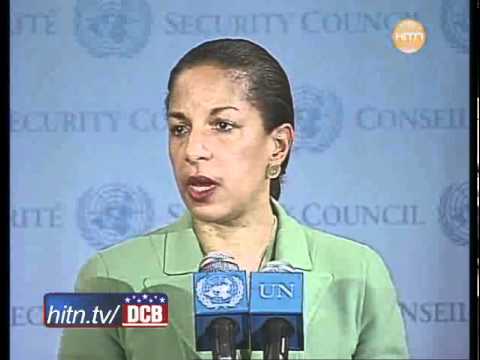
UN Resolution 1973 on Libyan Civil War
Belgium
International Relations
Conflict Studies
Human Rights
3 min read
Updated By: History Editorial Network (HEN)
Published:
Updated:
The Libyan Civil War saw escalating violence between protesters and the government led by Colonel Muammar Gaddafi. The situation prompted international concern, leading to the United Nations Security Council's intervention through Resolution 1973. This resolution called for an immediate ceasefire and authorized military action aimed at protecting civilians from the ongoing conflict. The resolution was a response to reports of severe human rights violations and the potential for mass atrocities against the civilian population. Following the passage of the resolution, a coalition of NATO members initiated operations to enforce a no-fly zone over Libya, which was intended to prevent Gaddafi's forces from using air power against civilians. This military intervention marked a pivotal shift in the international community's approach to the crisis, emphasizing the responsibility to protect civilians in conflict zones. The enforcement of the no-fly zone and subsequent military actions were critical in altering the dynamics of the civil war, ultimately contributing to the eventual downfall of Gaddafi's regime. The resolution and its implementation highlighted the complexities of international military intervention and raised discussions about sovereignty, humanitarian intervention, and the effectiveness of such measures in resolving internal conflicts.
#mooflife
#MomentOfLife
#UnResolution1973
#LibyanCivilWar
#NatoIntervention
#HumanitarianAction
#GaddafiRegime

Explore the Life Moments of
 AI Twin