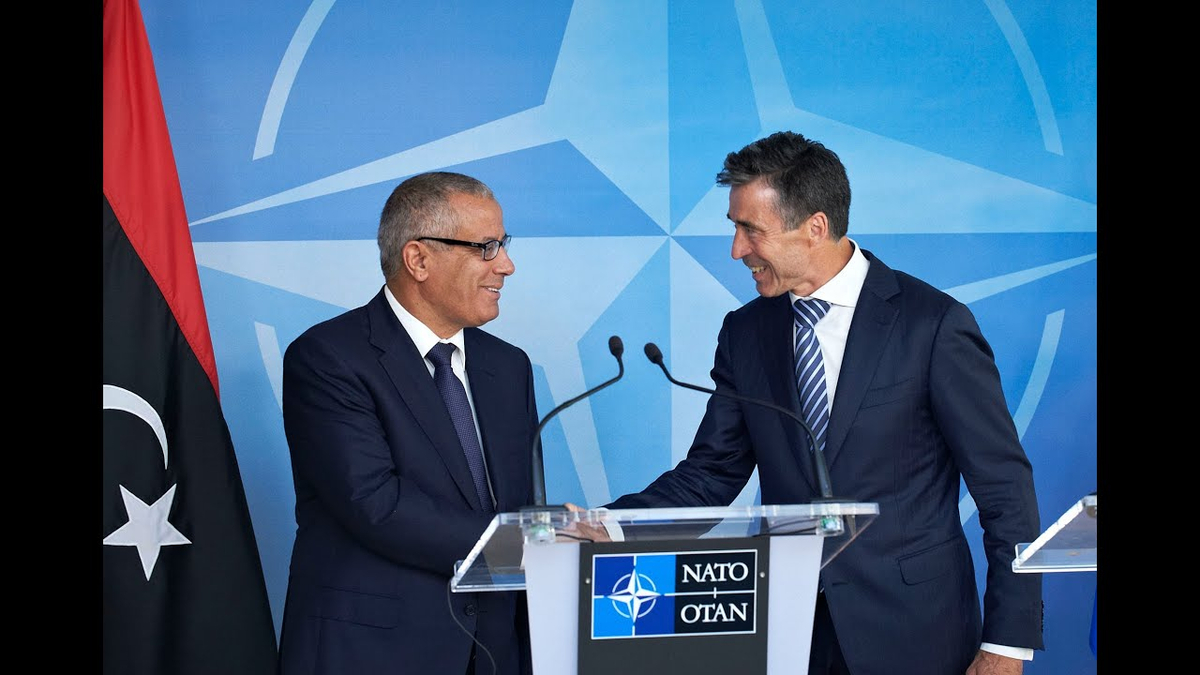
Libyan PM requests NATO assistance
Belgium
Politics
International Relations
Security
4 min read
Updated By: History Editorial Network (HEN)
Published:
Updated:
In the aftermath of a coup d'état attempt, the political landscape in Libya faced significant instability. The attempt to overthrow the government highlighted the ongoing security challenges that the country was grappling with, stemming from the aftermath of the civil conflict that had led to the fall of the Gaddafi regime. Prime Minister Ali Zeidan, recognizing the urgent need for support to stabilize the situation, reached out to NATO for assistance. His request specifically sought technical advice and the provision of trainers to help bolster Libya's security forces. This move underscored the Libyan government's reliance on international partnerships to address internal security threats and restore order. The request for NATO's involvement was indicative of the broader challenges faced by Libya in establishing a functional state apparatus and ensuring the safety of its citizens amidst a backdrop of political fragmentation and armed groups operating outside of government control.
The impact of this request was multifaceted. On one hand, it represented an acknowledgment of the limitations of Libya's own security capabilities and the need for external expertise to navigate the complex security environment. On the other hand, it raised questions about Libya's sovereignty and the role of international organizations in domestic affairs. The involvement of NATO, an organization with a history of military intervention, could have implications for Libya's political dynamics and its relationships with other nations in the region. The request also highlighted the ongoing challenges in post-revolution Libya, where the transition to a stable government was hindered by various factions vying for power and control. As Libya continued to seek a path towards stability, the collaboration with NATO was seen as a potential step towards rebuilding its security infrastructure and addressing the pressing issues that threatened the nation's peace and governance.
#mooflife
#MomentOfLife
#Libya
#Nato
#AliZeidan
#SecurityAssistance
#CoupAttempt

Explore the Life Moments of
 AI Twin