Operation Sharp Guard and Maritime Enforcement
Belgium
Military
Operations
Maritime
4 min read
Updated By: History Editorial Network (HEN)
Published:
Updated:
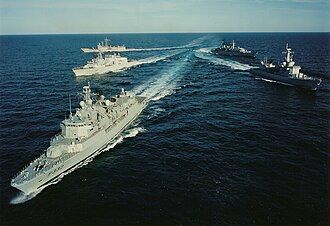
Operation Sharp Guard was initiated to enforce maritime measures against the Federal Republic of Yugoslavia, complementing existing air operations. This operation was part of a broader strategy to uphold an arms embargo and economic sanctions that had been imposed due to the ongoing conflict in the region. The enforcement of these measures was critical in limiting the flow of arms and resources to the warring factions, thereby aiming to stabilize the situation and promote peace. The operation involved naval forces from NATO and partner nations, which patrolled the Adriatic Sea to intercept and inspect vessels suspected of violating the embargo. This maritime enforcement was essential in ensuring compliance with international sanctions and contributed to the overall efforts to restore order in the Balkans. The operation was characterized by a series of inspections and, when necessary, the use of force to prevent the transport of prohibited goods. The impact of Operation Sharp Guard was significant, as it not only restricted military supplies to the conflict zones but also highlighted the international community's commitment to addressing the humanitarian crisis resulting from the war. The operation was a key component of NATO's broader engagement in the region, which included air operations and diplomatic efforts aimed at achieving a lasting peace. By maintaining a visible naval presence, Operation Sharp Guard played a crucial role in deterring further escalation of hostilities and fostering an environment conducive to negotiations and eventual peace agreements.
#mooflife
#MomentOfLife
#OperationSharpGuard
#MaritimeEnforcement
#Nato
#Yugoslavia
#ArmsEmbargo
Primary Reference
Operation Sharp Guard

Explore the Life Moments of
 AI Twin