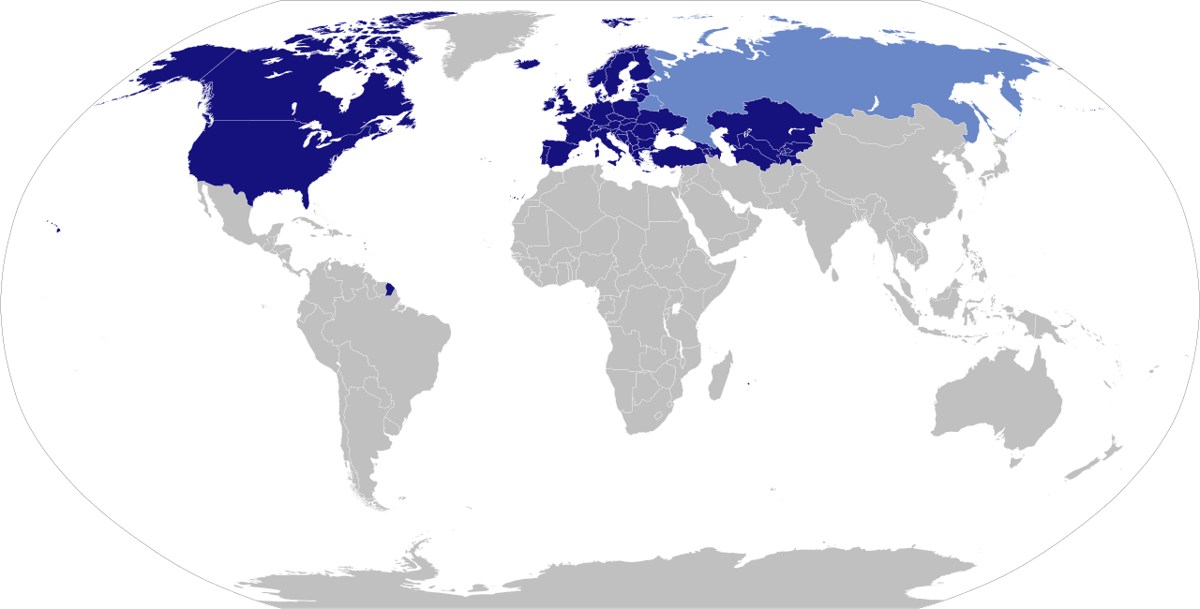
Euro-Atlantic Partnership Council and Dialogue Initiatives
Belgium
International Relations
Diplomacy
4 min read
Updated By: History Editorial Network (HEN)
Published:
Updated:
The Euro-Atlantic Partnership Council (EAPC) was established as a forum for dialogue and cooperation between NATO and its partner countries. This initiative was part of a broader strategy to enhance security and stability in the Euro-Atlantic region. The EAPC serves as a platform for member states to engage in discussions on security issues, share information, and coordinate efforts in crisis management and defense. It includes participation from NATO member countries and partner nations, fostering a collaborative environment to address common security challenges. The establishment of the EAPC marked a significant step in NATO's outreach to non-member countries, promoting a cooperative security framework that extends beyond traditional alliances.
The impact of the EAPC has been notable in terms of strengthening relationships between NATO and partner countries. It has facilitated joint exercises, training programs, and collaborative defense initiatives, contributing to a more integrated approach to security in the region. The council has also played a crucial role in addressing emerging threats, such as terrorism and cyber security, by enabling member states to share best practices and develop coordinated responses. Statistics indicate that participation in EAPC activities has increased over time, reflecting a growing recognition of the importance of multilateral cooperation in addressing complex security challenges. Overall, the Euro-Atlantic Partnership Council has been instrumental in fostering dialogue and enhancing security cooperation among its members, thereby contributing to a more stable Euro-Atlantic area.
#mooflife
#MomentOfLife
#Euro-atlanticPartnershipCouncil
#Nato
#SecurityCooperation
#InternationalRelations
#CrisisManagement

Explore the Life Moments of
 AI Twin