Partnership for Peace Programme Established
Belgium
International Relations
Defense and Security
NATO Partnerships
4 min read
Updated By: History Editorial Network (HEN)
Published:
Updated:
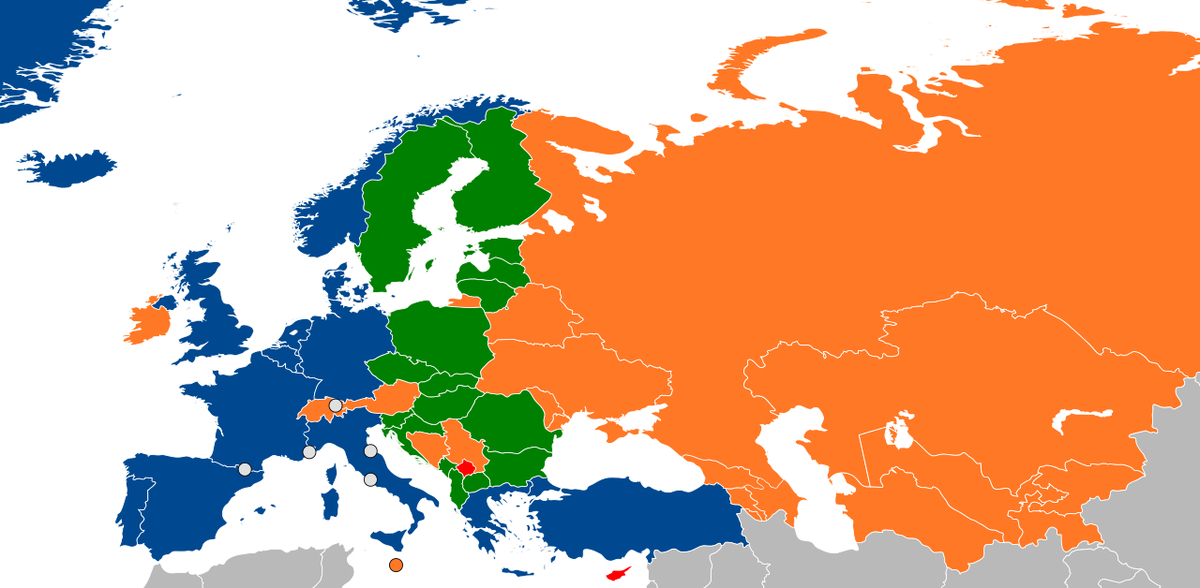
The Partnership for Peace (PfP) programme was initiated to enhance cooperation between NATO and non-member countries, focusing on individual bilateral relations. This framework allows each participating country to determine the level of engagement with NATO, fostering a flexible approach to partnership. The PfP programme includes all current and former members of the Commonwealth of Independent States, reflecting a broad geographical scope and a commitment to security collaboration across Europe and beyond. The programme serves as a platform for dialogue, joint exercises, and training, aimed at promoting stability and security in the Euro-Atlantic area. Through PfP, NATO has been able to extend its influence and support to nations seeking closer ties with the alliance, while also addressing regional security challenges collectively.
The impact of the PfP programme has been significant in shaping the security landscape in Europe. By facilitating military cooperation and interoperability among member states, the programme has contributed to enhanced defense capabilities and readiness. It has also played a crucial role in the integration of former Soviet states into Euro-Atlantic structures, promoting democratic values and military reform. Statistics indicate that numerous joint exercises and training initiatives have been conducted under the PfP framework, leading to improved operational effectiveness among participating nations. The programme continues to evolve, adapting to new security threats and challenges, while reinforcing the importance of collective defense and cooperation in maintaining peace and stability in the region.
#mooflife
#MomentOfLife
#PartnershipForPeace
#Nato
#Euro-atlantic
#SecurityCooperation
#MilitaryPartnership
Primary Reference
Partnership for Peace

Explore the Life Moments of
 AI Twin