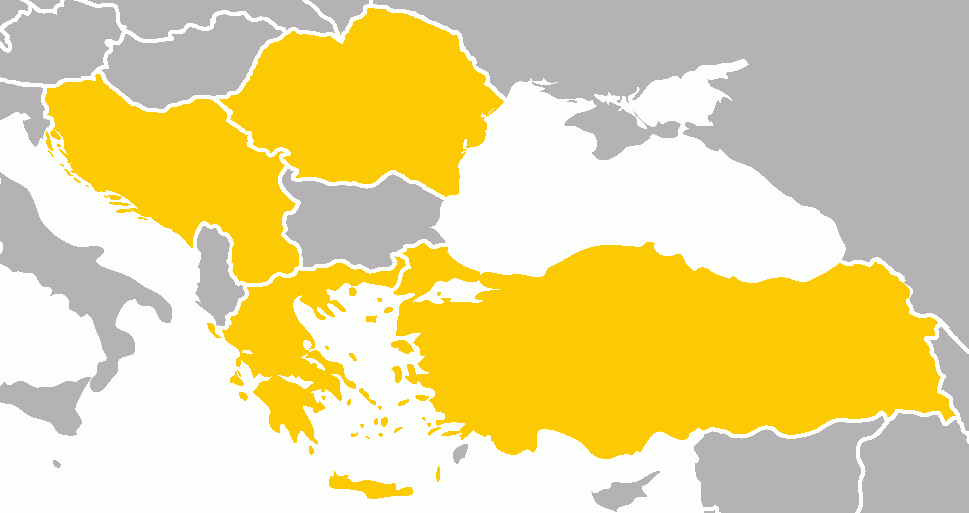
Balkan Pact Formation and NATO Involvement
Belgium
International Relations
Military Alliances
3 min read
Updated By: History Editorial Network (HEN)
Published:
Updated:
The formation of the Balkan Pact was a strategic response to the shifting geopolitical landscape in the Balkans, particularly in the context of post-Cold War dynamics. The pact aimed to foster cooperation among Balkan states and enhance regional security. This initiative was crucial as it sought to counterbalance the influence of external powers and promote stability in a region historically marked by conflict. The Balkan Pact also served as a platform for member states to collaborate on defense and security issues, thereby strengthening their collective capabilities. The involvement of NATO in this context was significant, as the alliance sought to expand its influence in the region and support the aspirations of Balkan countries for integration into Euro-Atlantic structures. NATO's presence in the Balkans has been characterized by military cooperation, joint exercises, and the establishment of partnerships with aspiring member states, including Bosnia and Herzegovina, Georgia, and Ukraine. The alliance's military headquarters in Belgium coordinates these efforts, which include a combined force of approximately 3.5 million personnel from member nations, reflecting a substantial commitment to regional security.
#mooflife
#MomentOfLife
#BalkanPact
#NatoInvolvement
#RegionalSecurity
#MilitaryCooperation
#Euro-atlanticIntegration
Primary Reference
Balkan Pact

Explore the Life Moments of
 AI Twin