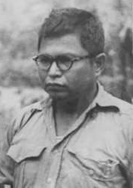
Thakin Than Tun and Thakin Soe, imprisoned in Insein Prison.
Myanmar
4 min read
Updated By: History Editorial Network (HEN)
Published:
Updated:
Thakin Than Tun and Thakin Soe, prominent figures in the anti-colonial movement in Burma, co-authored the Insein Manifesto while imprisoned in Insein Prison. This document emerged during a time of significant political turmoil and conflict, particularly with the rise of fascism globally and the ongoing Japanese occupation of Burma. The manifesto took a bold stance by identifying world fascism as the primary adversary in the impending war. It proposed a temporary alliance with the British, advocating for a broad coalition that would also encompass the Soviet Union. This perspective was notably divergent from the prevailing views within the Dobama movement, which primarily focused on national independence from colonial rule. The manifesto's call for cooperation with former colonial powers reflected a strategic shift aimed at uniting various factions against a common enemy, emphasizing the need for solidarity in the face of fascist threats.
The impact of the Insein Manifesto was profound, as it not only highlighted the ideological rifts within the Burmese nationalist movement but also set the stage for future political alignments. Thakin Soe's underground efforts to organize resistance against the Japanese occupation complemented the manifesto's objectives, showcasing a commitment to both national sovereignty and international solidarity. The manifesto served as a rallying point for various groups, influencing the discourse around resistance strategies and the broader anti-fascist struggle. The collaboration between Than Tun and Soe in such challenging circumstances underscored their dedication to the cause and their willingness to adapt their strategies in response to the evolving geopolitical landscape.
#mooflife
#MomentOfLife
#ThakinThanTun
#ThakinSoe
#InseinPrison
#InseinManifesto
#BurmeseNationalism

Explore the Life Moments of
 AI Twin