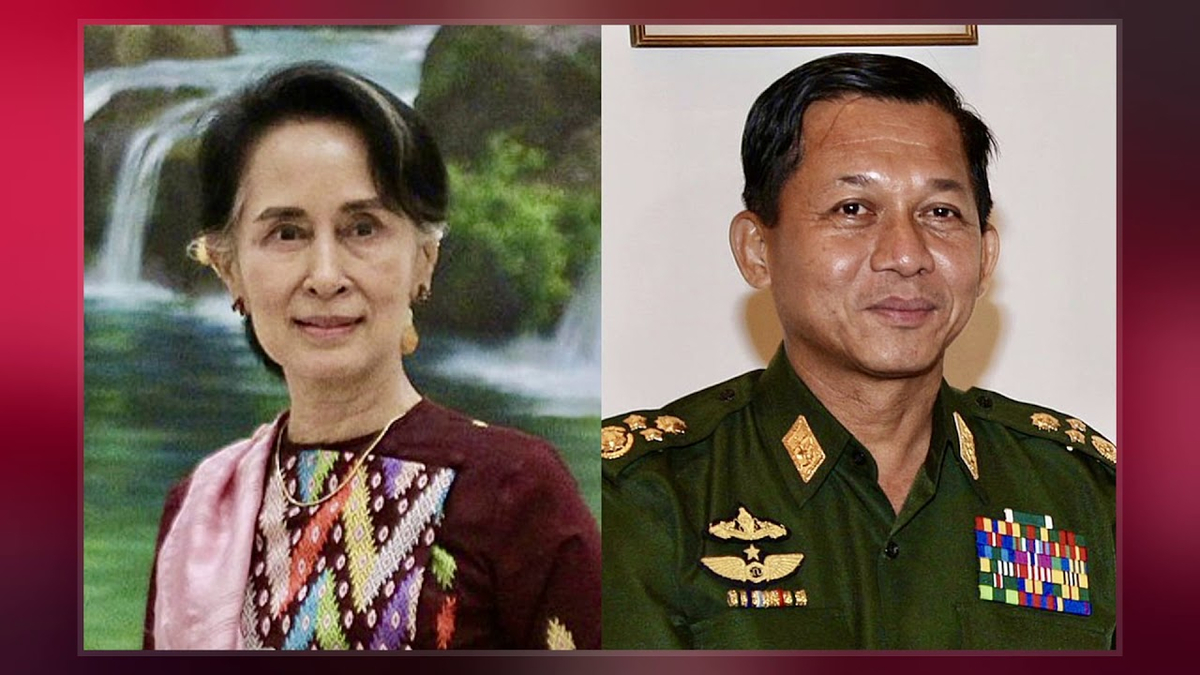
Ne Win's Military Coup in Myanmar
Myanmar
Politics
Military
4 min read
Updated By: History Editorial Network (HEN)
Published:
Updated:
Ne Win's military coup in Myanmar marked a pivotal shift in the country's governance. The coup was executed by Ne Win and sixteen senior military officers, who arrested prominent political figures including U Nu and Sao Shwe Thaik. Following the coup, Ne Win declared the establishment of a socialist state governed by the Union Revolutionary Council. This transition was characterized as 'bloodless', although it was accompanied by violence, including the death of Sao Shwe Thaik's son, Sao Mye Thaik, and the mysterious disappearance of Thibaw Sawbwa Sao Kya Seng at a checkpoint. The coup effectively dismantled the democratic framework that had been in place, leading to decades of military rule in Myanmar.
The impact of Ne Win's coup was profound, as it initiated a period of isolation and economic decline for Myanmar. The military regime implemented strict controls over political expression and civil liberties, which stifled dissent and led to widespread human rights abuses. The socialist policies adopted by the regime resulted in significant economic challenges, including a decline in agricultural productivity and increased poverty levels. Over time, the military's grip on power faced resistance from various ethnic and political groups, leading to ongoing conflict and instability in the region. The legacy of Ne Win's coup continues to influence Myanmar's political landscape, as the country grapples with the consequences of decades of military rule and seeks a path toward democracy.
#mooflife
#MomentOfLife
#NeWin
#MyanmarCoup
#MilitaryRule
#UnionRevolutionaryCouncil
#PoliticalHistory

Explore the Life Moments of
 AI Twin