Strategic Battle in North Africa
Military Imperialism
3 min read
Updated By: History Editorial Network (HEN)
Published:
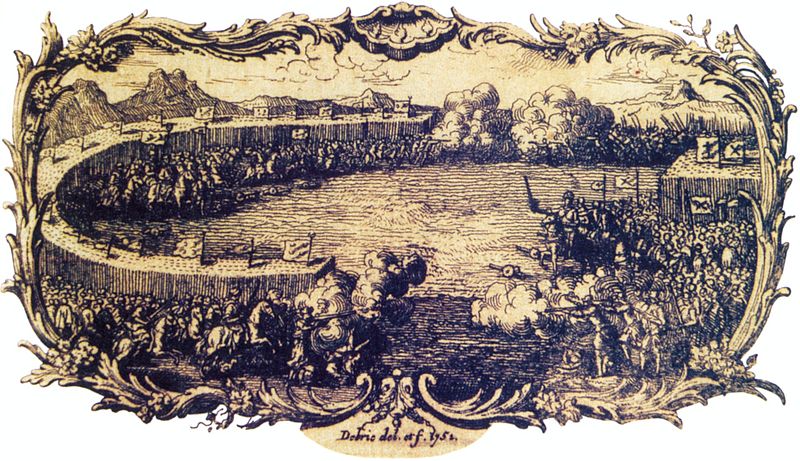
In the Battle of Ksar el-Kebir, Portuguese forces clashed with the Moroccan army near the town of Ksar el-Kebir. The Portuguese, led by King Sebastian I, sought to extend their influence in North Africa by supporting a pretender to the Moroccan throne. On the other side, the Moroccan Sultan Abdul Malik prepared to defend his territory against the foreign invaders.
The battle was fierce and resulted in a decisive victory for the Moroccan forces. King Sebastian I and much of the Portuguese nobility were killed in the fighting, and the Portuguese army was effectively destroyed. The defeat had a lasting impact on Portugal, leading to a succession crisis and the eventual union of the Portuguese and Spanish crowns.
For Morocco, the victory at Ksar el-Kebir bolstered the rule of Sultan Abdul Malik and solidified Moroccan control over its territory. The battle is still remembered in Moroccan history as a significant moment of resistance against foreign aggression.
The Battle of Ksar el-Kebir underscores the complexities of imperial ambitions in the 16th century and the enduring legacy of military conflicts in shaping the course of history. It serves as a reminder of the high stakes involved in power struggles between empires and the resilience of nations defending their sovereignty.
#Portuguese #Morocco #Imperialism #MilitaryHistory #PowerStruggles
Primary Reference
Battle of Alcácer Quibir - Wikipedia
Explore the Life Moments of
 AI Twin