Rise and Fall of Sijilmassa
Political
4 min read
Updated By: History Editorial Network (HEN)
Published:
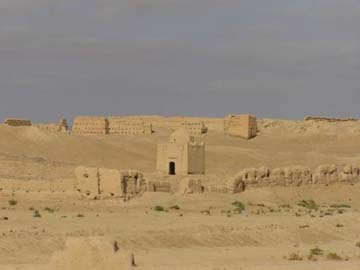
In 757, the Maghrawa Berbers achieved a significant victory by defeating the Fatimids. This triumph led to the establishment of the short-lived Kingdom of Sijilmassa in Morocco.
Background:
The Maghrawa Berbers were a prominent Berber tribe in the region, known for their fierce warrior skills. Their conflict with the Fatimids, a powerful dynasty originating from North Africa, arose due to territorial disputes and differing political interests. The Maghrawa Berbers saw an opportunity to assert their dominance and independence by confronting the Fatimids.
Impact:
The defeat of the Fatimids by the Maghrawa Berbers was a turning point in the region's political landscape. The establishment of the Kingdom of Sijilmassa marked a brief period of autonomy and control for the Berber tribe. The kingdom played a crucial role in trade routes, especially in the trans-Saharan trade, bolstering the region's economy and influence. However, the kingdom's reign was short-lived, facing internal challenges and external pressures that eventually led to its decline.
Relevant Facts:
- The Maghrawa Berbers were known for their skilled horsemanship and military tactics.
- Sijilmassa became a thriving hub for trade, connecting North Africa with sub-Saharan regions.
- The brief existence of the Kingdom of Sijilmassa left a lasting impact on the region's history and trade dynamics.
In conclusion, the Maghrawa Berbers' victory over the Fatimids and the establishment of the Kingdom of Sijilmassa in 757 reshaped the political and economic landscape of Morocco and the surrounding regions. The legacy of this event underscores the significance of Berber power and autonomy in shaping the history of North Africa. #MaghrawaBerbers #KingdomofSijilmassa #MoroccanHistory #BerberTribe #FatimidDynasty
Explore the Life Moments of
 AI Twin