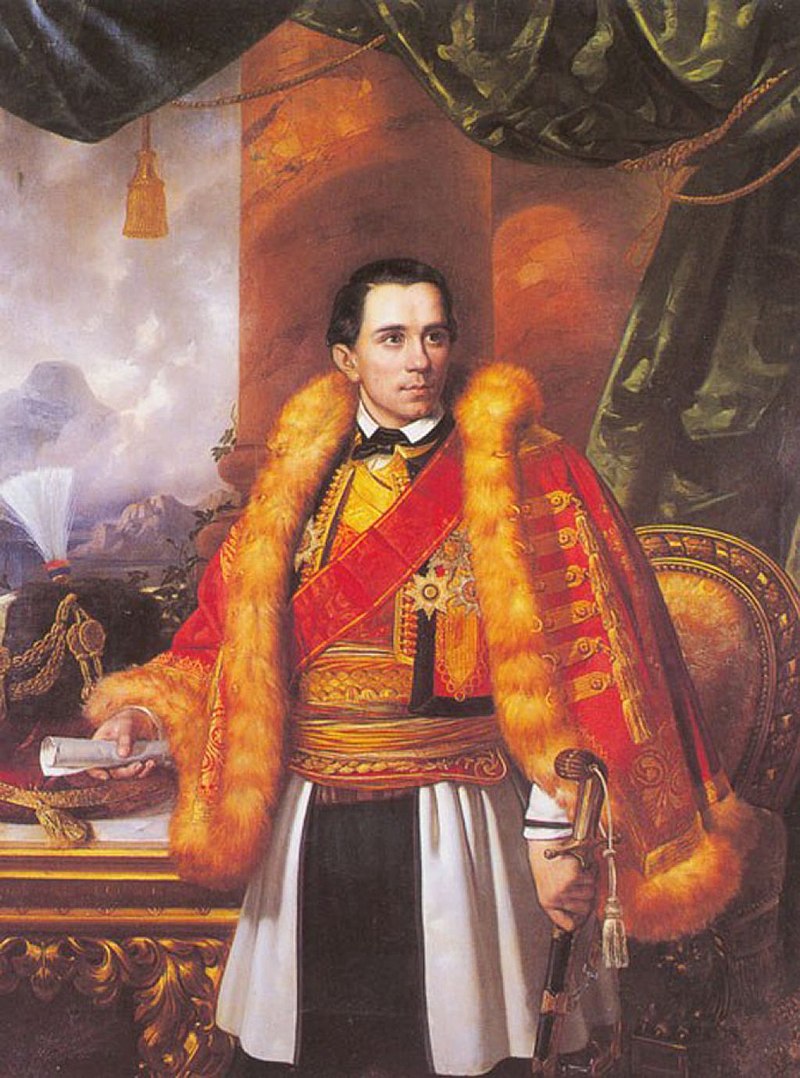
Danilo I's Secular Reforms in Montenegro: Transition from Theocracy to Nationhood
Montenegro
Political
4 min read
Updated By: History Editorial Network (HEN)
Published:
Updated:
Danilo I, known as the last Prince-Bishop of Montenegro, took a pivotal step in the history of the region by separating religious authority from political governance, leading to the establishment of the secular Principality of Montenegro. Prior to this, Montenegro was ruled by Prince-Bishops, combining religious and political power. Danilo I's decision marked the transition from a theocratic rule to a secular governance structure.
The move to a secular principality emerged against the backdrop of increasing demands for modernization and the need for a more streamlined governance system. Danilo I's establishment of the secular principality aimed to create a centralized authority, thereby strengthening Montenegrin statehood and laying the groundwork for future political and social reforms.
The creation of the secular Principality had profound implications for Montenegro. It facilitated the implementation of more efficient administrative, military, and legal systems. Moreover, it positioned Montenegro as a more cohesive entity capable of engaging with European powers on diplomatic and military fronts. This shift was part of broader movements in Europe where secularism began gaining traction over religious governance.
The change also laid the foundation for Montenegro's future aspirations for independence and sovereignty. Danilo I's reforms were instrumental in cultivating a national identity distinct from ecclesiastical influence. The move towards secular governance was a strategic response to internal pressures and external geopolitical dynamics.
#MoofLife #Montenegro #PoliticalReform #SecularGovernance #NationalIdentity

Explore the Life Moments of
 AI Twin