Impact of Slavic Migration on Montenegro: Demographic and Cultural Shifts in the Balkans
Montenegro
Cultural Transformation
5 min read
Updated By: History Editorial Network (HEN)
Published:
Updated:
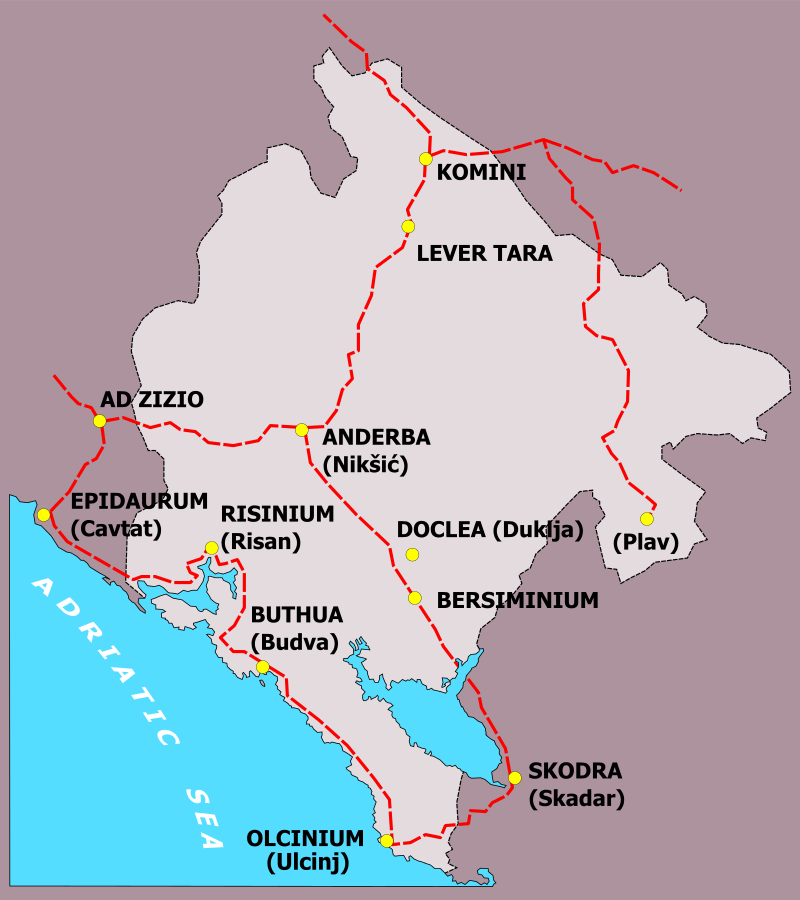
The movement of the Slavic peoples into the Balkans marked a fundamental shift in the demographic and cultural landscape of the region, including what is now known as Montenegro. Originating from areas to the north, the Slavs embarked on a large-scale migration that led to their settlement in various parts of the Balkans. This migration was part of a larger wave of population movements sweeping across Europe during this period.
The Slavic tribes brought with them distinct linguistic, social, and cultural practices. Their settlement in the Balkans significantly altered the existing demographic structure. In regions like present-day Montenegro, local communities and the newcomers engaged in complex interactions, sometimes marked by conflicts, alliances, and cultural exchanges. The introduction of Slavic languages had a lasting impact on the ethnic and linguistic diversity of the area.
The impact of the Slavic settlement on agriculture, social structures, and local economies was profound. Their farming techniques, animal husbandry practices, and village-based community organization helped shape the rural landscape. The Slavs predominantly practiced subsistence agriculture, cultivating crops such as wheat and raising livestock, which were well-suited to the terrain and climate of the Balkans.
Politically, the arrival of the Slavs eventually led to the formation of new alliances and the restructuring of existing power dynamics. Over time, the Slavic settlements grew in strength and numbers, laying the foundation for the emergent political entities that would later define the medieval history of the region.
Culturally, the Slavic pantheon and religious beliefs began to merge with those of the indigenous populations, although this synthesis would later face significant changes with the spread of Christianity. The intermingling of traditions contributed to a unique cultural mosaic that characterized the Balkan Peninsula.
The arrival of the Slavs in the Balkans remains a pivotal episode in the region’s history, signifying a period of transition and transformation that would influence the subsequent course of history for centuries to come.
#MoofLife #MontenegroHistory #Balkans #SlavicMigration #CulturalImpact #HistoricalNarrative

Explore the Life Moments of
 AI Twin