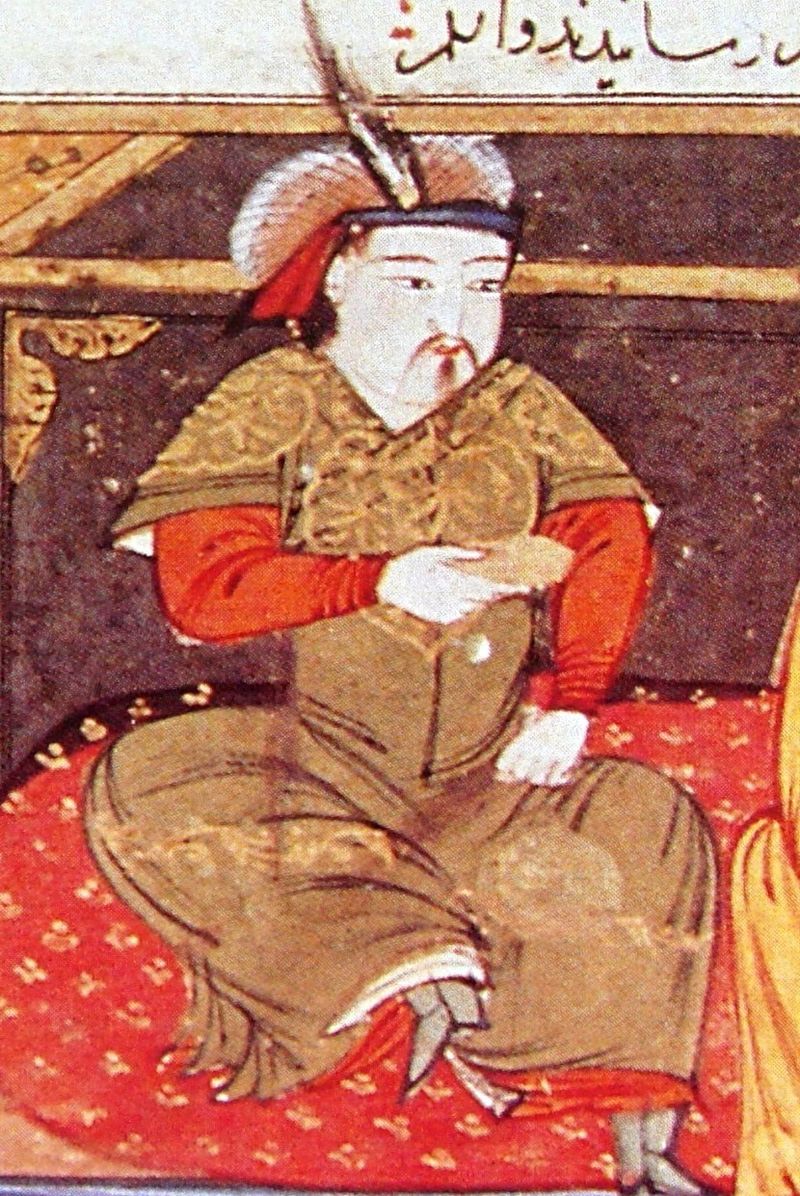
Hulagu Khan's Campaign and the Formation of the Ilkhanate in Persia
Mongolia
Milestones
Cultural Exchange
5 min read
Updated By: History Editorial Network (HEN)
Published:
In the mid-13th century, Hulagu Khan, a grandson of Genghis Khan, was tasked with extending Mongol influence into the Middle East. His campaign aimed to dismantle the Abbasid Caliphate and exert control over Persia. Hulagu's forces were part of a broader plan to secure the western frontiers of the Mongol Empire by subduing powerful Islamic states. This period saw the renowned siege and fall of the Hashshashin stronghold of Alamut, symbolizing the decline of localized resistance and the imposition of Mongol authority.
The establishment of the Ilkhanate reflected a strategic restructuring within the Mongol Empire. It allowed for more direct and efficient governance of the Persian territories under Mongol control. Hulagu and his successors maintained a semi-autonomous status while continuing to pledge allegiance to the Great Khan in the Mongol capital, reinforcing the integrated yet decentralized nature of the empire.
This khanate significantly impacted the cultural and administrative evolution of the region. The Ilkhanate facilitated the exchange of ideas, goods, and technologies between the East and the West, reinforcing Persia's role as a cultural and commercial bridge. Mongol rule introduced new military techniques and administrative systems which included the Yassa code of law and the use of Chinese paper money.
The Mongol administration adapted Persian bureaucratic frameworks, merging local practices with Mongol governance styles. This blend of traditions solidified a unique administrative identity within the Ilkhanate. Importantly, the period also witnessed religious transformations; the Ilkhanate initially embraced Buddhism and Shamanism, but gradually Islam gained prominence under later rulers.
The demographic and economic impact was significant; urbanization increased as Persian cities became crucial centers for trade and culture within the broader Mongol network. This era also saw the rise of Persian literature and architecture, often under the patronage of Mongol rulers.
The establishment of the Ilkhanate underscored the Mongols' strategic acumen in expanding their empire and influenced the socio-political landscape of Persia profoundly.
#MongolEmpire #PersianHistory #HistoricalMilestones #MoofLife #CulturalExchange #TradeRoutes #Governance #ReligiousDynamics
Primary Reference
Ilkhanate - Wikipedia

Explore the Life Moments of
 AI Twin