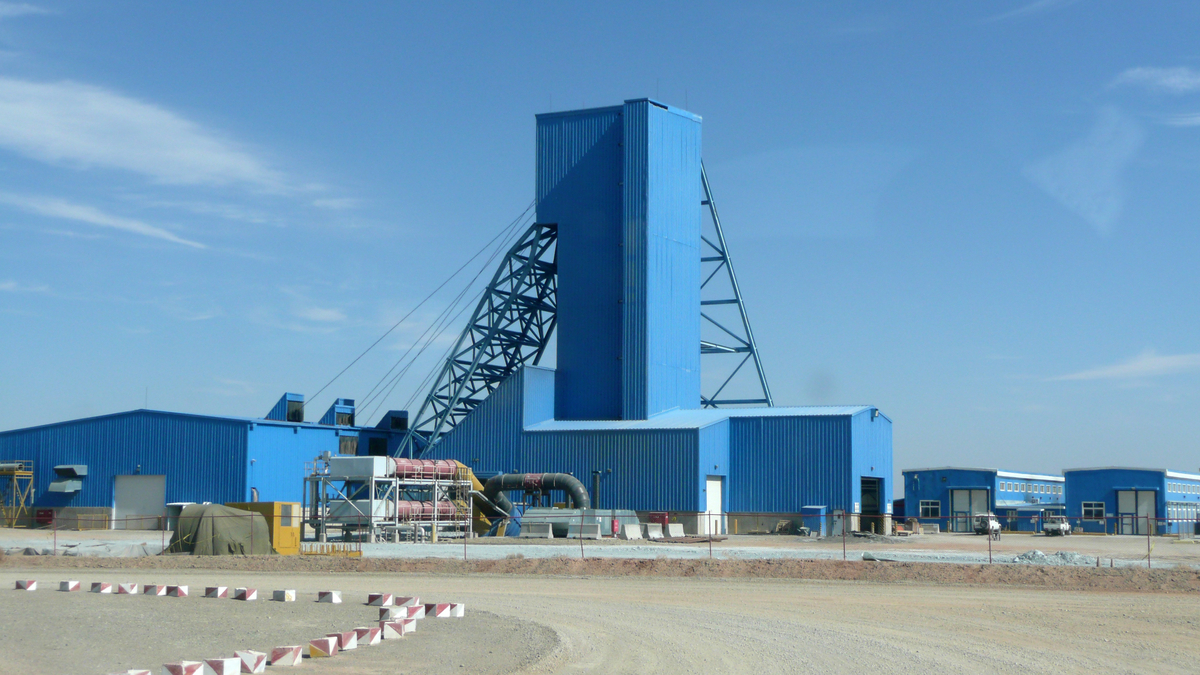
Development of Oyu Tolgoi Mine
Mongolia

Economic Development
6 min read
Updated By: History Editorial Network (HEN)
Published:
In the early stages of the 21st century, Mongolia embarked on a transformative journey with the establishment of the Oyu Tolgoi copper-gold mine, located in the South Gobi Desert. Oyu Tolgoi, which means 'Turquoise Hill' in Mongolian, became one of the largest known copper and gold deposits in the world. Spanning tens of thousands of hectares, the project was developed through a partnership between the Mongolian government and international mining companies, including Turquoise Hill Resources and Rio Tinto.
The discovery of the Oyu Tolgoi deposit attracted significant foreign investment. Geologists estimated that the mine contained reserves of 25 million tonnes of copper and 1,500 tonnes of gold, transforming it into a major global player in the mining industry. The operationalization of the mine represented a critical phase in Mongolia's push towards economic diversification. Previously reliant on agriculture and animal husbandry, the country hoped this project would provide a stable source of income and drive socio-economic growth.
The mine's construction and operational phases generated thousands of jobs, bolstering local employment and leading to the development of necessary infrastructure such as roads and electrical grids. The anticipated revenue from royalties and taxes also promised substantial contributions to Mongolia's national budget. Furthermore, the agreement included provisions for community development and environmental management, aiming to balance economic gains with sustainable practices.
Oyu Tolgoi's production capabilities were pegged at approximately 450,000 tonnes of copper and 330,000 ounces of gold annually at full capacity. The ore was processed on-site, and the metals were then exported to markets worldwide, primarily in China, which was the largest importer of Mongolian minerals.
Despite the promising economic prospects, the establishment of Oyu Tolgoi was not without challenges. Negotiations between the government and foreign investors were complex, involving discussions around equity splits, taxation rates, and environmental regulations. Additionally, the project faced scrutiny from local and international stakeholders concerned about the environmental and social impacts on the region's fragile ecosystem and communities.
In summary, the development of the Oyu Tolgoi mine was a pivotal moment in Mongolia's economic landscape. It underscored the nation's potential as a significant player in the global mining industry while highlighting the intricacies of balancing economic growth with sustainable development and social responsibility. #MongoliaMining #EconomicDevelopment #OyuTolgoi #CopperGold #MoofLife
Primary Reference
Mongolia's Mining Services Cluster

Explore the Life Moments of
 AI Twin