Conquest of the Khwarezmian Empire
Mongolia

Military
5 min read
Updated By: History Editorial Network (HEN)
Published:
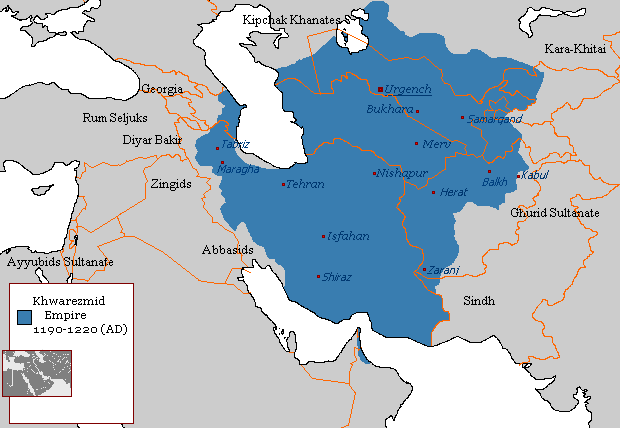
The Mongol invasion of Khwarezmia marked a pivotal shift in the region’s political and social landscape. The Khwarezmian Empire, a powerful state in Central Asia, came under the scrutiny of Genghis Khan as the latter sought to expand his dominion. Initial relations between the Mongols and Khwarezmia were diplomatic, involving trade negotiations. However, tensions escalated when a Mongol caravan was reportedly massacred under the Khwarezmian Shah, Ala ad-Din Muhammad's orders.
In retaliation, Genghis Khan launched a series of military campaigns against Khwarezmia. The Mongol forces, known for their mobility and strategic prowess, systematically captured Khwarezmian cities. This involved the extensive use of siege tactics and psychological warfare, contributing to the swift Mongol victories. Cities such as Bukhara, Samarkand, and Nishapur fell, often experiencing considerable devastation and population displacement.
The impact of this invasion was profound. The Khwarezmian Empire, previously a formidable power in the region, was effectively annihilated. This allowed the Mongol Empire to consolidate its control over a vast area extending into Persia and beyond. The destruction prompted significant demographic changes, with many survivors fleeing to other regions. Economically, the invasion disrupted trade routes, particularly the Silk Road, causing temporary declines in commerce.
Statistically, the Mongol invasion saw the deployment of a highly disciplined force estimated to range from 90,000 to 200,000 soldiers. The death toll among the Khwarezmians was extensive, with reports suggesting millions were killed, though exact numbers remain debated among historians. The military tactics employed by the Mongols during this period left an indelible mark on military history, influencing future warfare strategies.
Despite the immediate destruction, the Mongol invasion facilitated longer-term cultural and technological exchanges between East and West. The resulting integration of diverse peoples and ideas contributed to the eventual flourishing of trade and communication across Eurasia under Mongol rule.
#MongolInvasion #Khwarezmia #GenghisKhan #MilitaryHistory #CentralAsia #MoofLife #HistoricalImpact
Primary Reference
Mongol invasion of the Khwarazmian Empire - Wikipedia

Explore the Life Moments of
 AI Twin