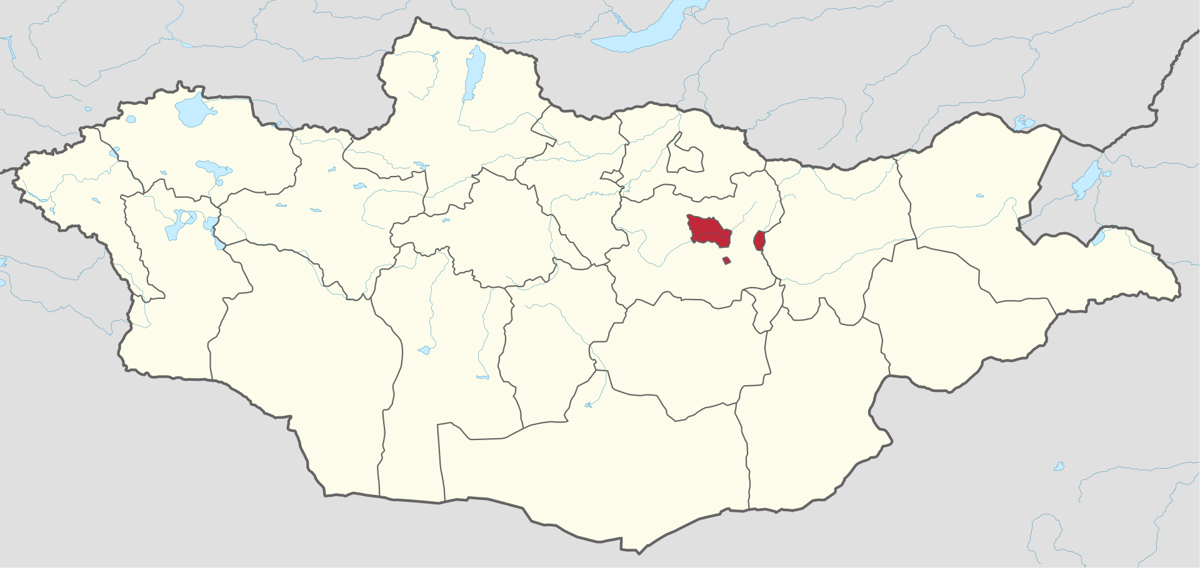
Beginning of Urga: Origins of Ulaanbaatar City
Mongolia

Political
5 min read
Updated By: History Editorial Network (HEN)
Published:
In the mid-17th century, the establishment of Urga, now known as Ulaanbaatar, marked a pivotal moment for Mongolia. The foundation of this city can be traced to the gathering of nomadic tribes who identified a strategic location conducive to both trade and theological significance. Initially founded as a monastic and trading center, Urga served the dual purpose of spiritual and commercial congregation.
The Khalkha Mongols, a major subgroup in Mongolia, were instrumental in the founding of Urga. They aimed to create a centralized location that would facilitate religious and administrative organization. A notable religious leader, the Zanabazar, assumed a prominent role in this process. As the first Jebtsundamba Khutuktu, his influence not only attracted pilgrims but also fostered economic activities, effectively turning the nascent settlement into a focal point for commerce.
Urga's establishment occurred during a period when Mongolia was navigating the complex dynamics between the remaining power structures of traditional nomadic life and the encroaching influence of neighboring powers, particularly the Qing dynasty and Russian Empire. The creation of a static settlement among a traditionally nomadic society represented a shift towards more permanent and structured forms of settlement and governance.
The impact of Urga’s establishment was multifaceted. Economically, it became a hub on the trade route connecting Russia and China, facilitating the exchange of goods such as fur, textiles, and tea. Culturally, the city blossomed into a center of Buddhist learning and rites, reflecting the integration of spirituality into daily life. The influx of monks, traders, and artisans contributed significantly to the population growth and urban development.
By highlighting the presence of rich geographical features such as the Tuul River and nearby mountain ranges, the location of Urga was also advantageous for defense and sustenance. The area's resources supported both the religious functions of the city and the needs of its burgeoning population.
The foundation of Urga marked a period of transformation, bridging traditional nomadic practices with emerging urban characteristics. It laid the groundwork for the eventual transformation into the modern city of Ulaanbaatar, the political and cultural center of Mongolia.
#MoofLife #UlaanbaatarFoundation #MongolianHistory #Urbanization #TradeAndReligion
Primary Reference
Ulaanbaatar - Wikipedia

Explore the Life Moments of
 AI Twin