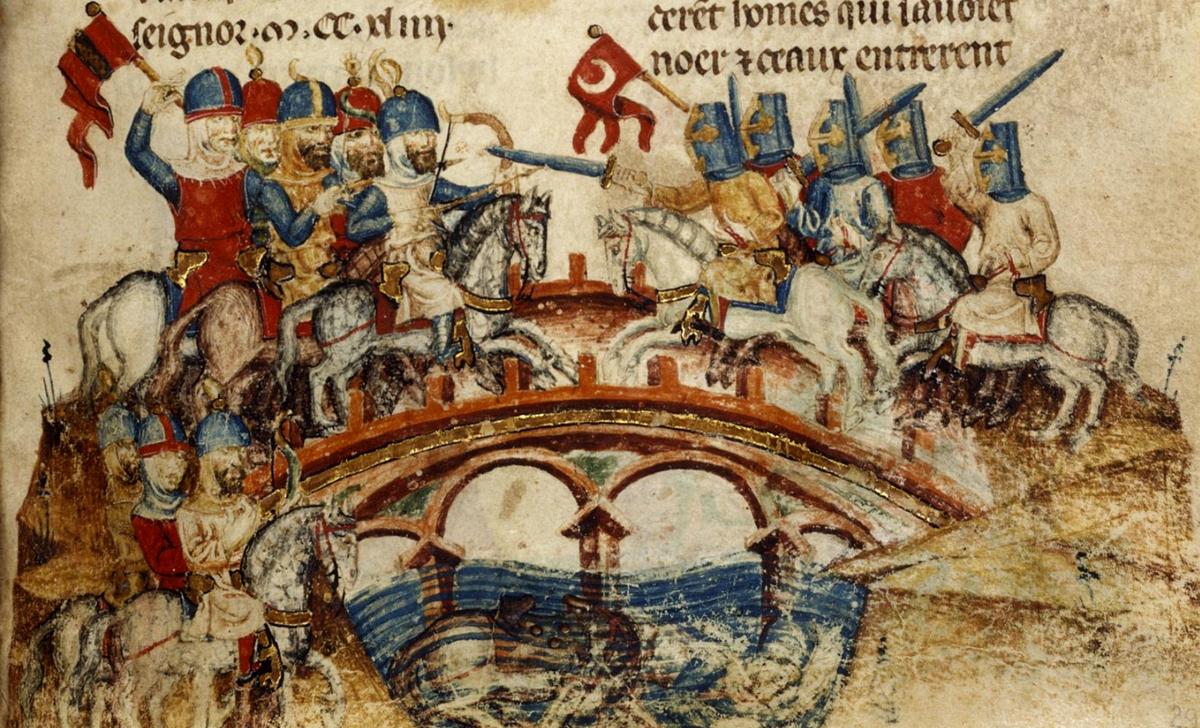
Battle of Mohi and Kingdom of Hungary
Mongolia

Military Strategy
4 min read
Updated By: History Editorial Network (HEN)
Published:
The Battle of Mohi marked a crucial encounter between the Mongol Empire and the Kingdom of Hungary. The confrontation was part of the Mongol invasion of Europe and demonstrated the strategic prowess of the Mongol forces under the leadership of Batu Khan and Subutai. The Kingdom of Hungary, led by King Béla IV, aimed to resist the advancing Mongols, assembling a substantial force of knights, archers, and foot soldiers.
The Mongol forces employed psychological warfare and deception to great effect. Their strategy involved drawing the Hungarian forces into a trap. The battle took place near the Sajó River, where the Mongols used a feigned retreat to lure the Hungarian army across a pontoon bridge. As the Hungarian forces advanced, the Mongols launched a surprise attack, cutting off the bridge and encircling the Hungarian troops. The coordinated use of archers, cavalry, and siege engines overwhelmed the Hungarians.
The defeat had massive ramifications for the Kingdom of Hungary. It resulted in significant loss of life, reducing Hungary's military strength. Additionally, the devastation left Hungary vulnerable to further incursions, leading to a period of instability. King Béla IV fled and had to seek refuge, exacerbating the kingdom's political turmoil.
This battle highlighted the Mongol military efficiency and their tactical advancements in using mobility and coordinated attacks. The psychological impact and the tactical superiority demonstrated by the Mongols were pivotal in shaping future military strategies in Europe. The clash at Mohi remains a testament to the Mongol Empire's formidable strategy and execution.
#BattleOfMohi #MongolHistory #MilitaryStrategy #EuropeanHistory #MoofLife
Primary Reference
Battle of Mohi | Description & Significance | Britannica

Explore the Life Moments of
 AI Twin