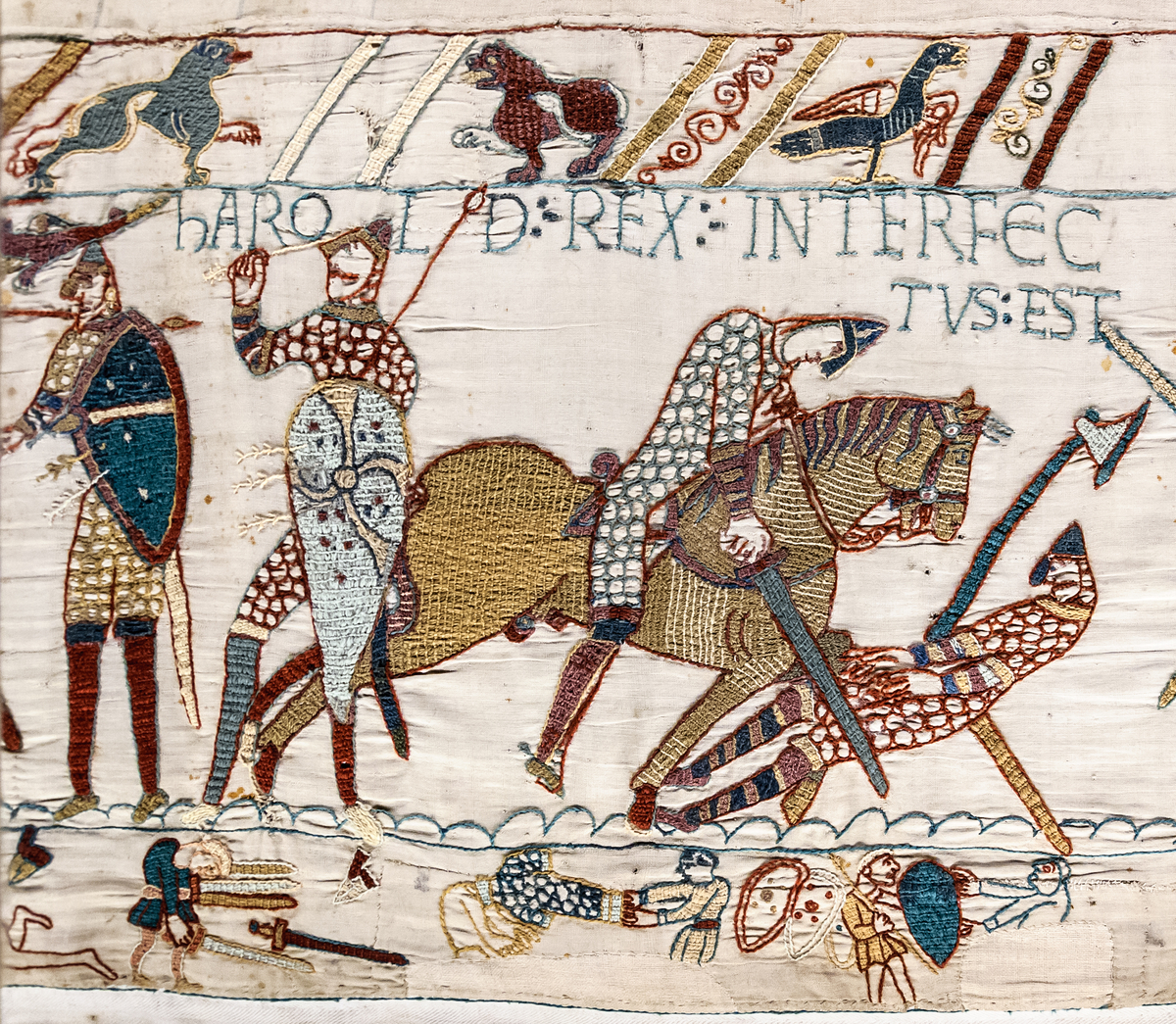
Harold II: Last Anglo-Saxon King
Westminster Abbey, London, England, United Kingdom
Political
3 min read
Updated By: History Editorial Network (HEN)
Published:
Updated:
After the death of Edward the Confessor, Harold II (Harold Godwinson) was crowned as the King of England by the Witan, a council of nobles. This decision was met with opposition from William, Duke of Normandy, who claimed that Edward had promised the throne to him.
Harold II faced immediate challenges to his reign, including invasions by the Norwegian king, Harald Hardrada, who was supported by Harold's own brother, Tostig. Despite this, Harold managed to defeat Hardrada at the Battle of Stamford Bridge. However, his victory was short-lived as William and his Norman forces landed on the southern coast of England.
The two forces clashed at the Battle of Hastings, where Harold II was killed, marking the end of Anglo-Saxon rule in England. William the Conqueror went on to be crowned as the first Norman King of England, solidifying his claim to the throne.
The death of Harold II marked a significant turning point in English history, leading to the Norman Conquest and the subsequent establishment of the Norman dynasty. The battle of Hastings remains a pivotal moment in the history of the British monarchy, shaping the future of the nation for centuries to come.
#HaroldII #NormanConquest #BritishMonarchy
#HaroldGodwinson
Primary Reference
Harold Godwinson
Explore the Life Moments of
 AI Twin