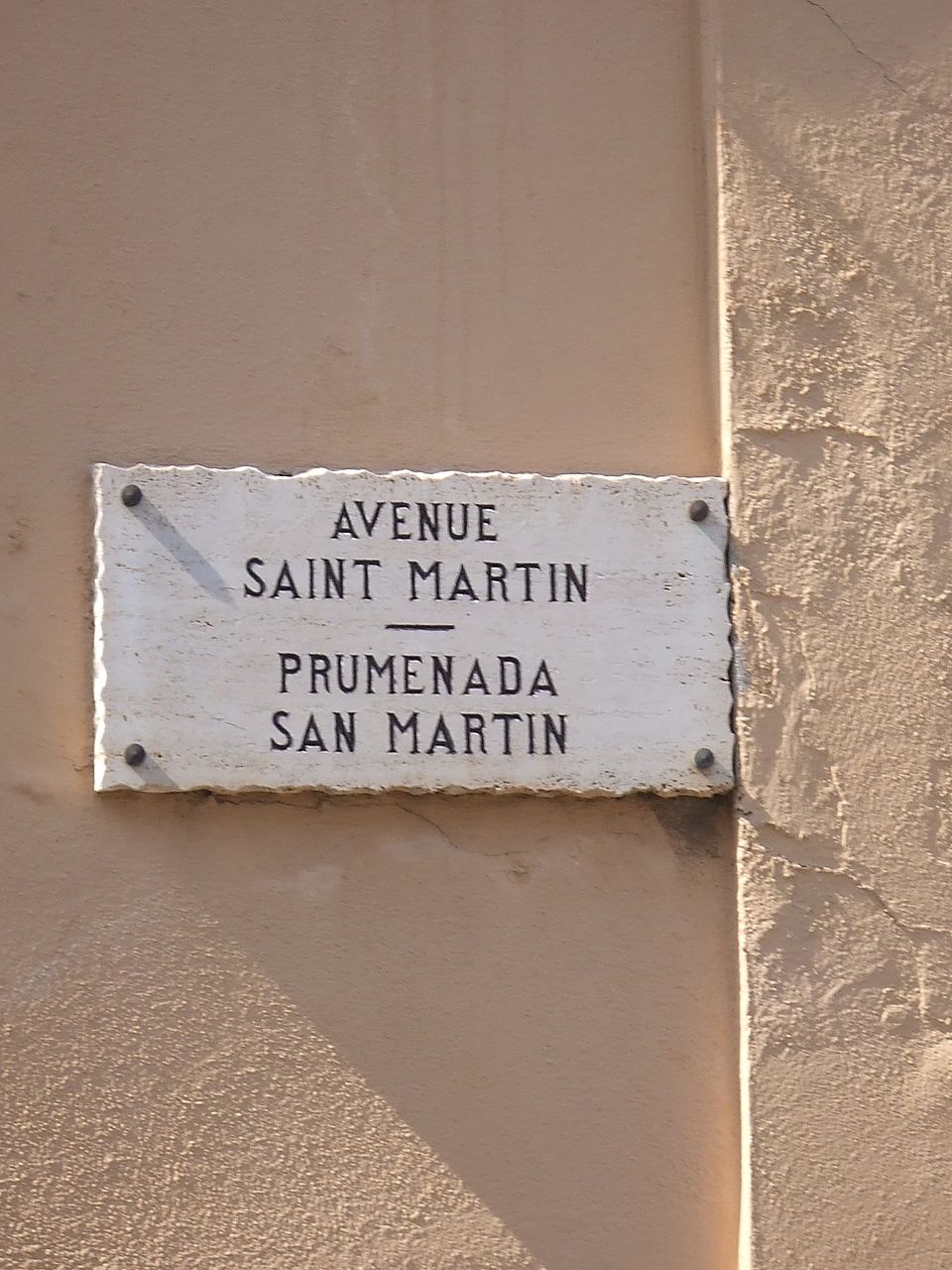
Monaco's Language Transition: Embracing French Influence in 1860
Principality of Monaco (Monaco-Ville / “Le Rocher”), Monaco

Political
9 min read
Updated By: History Editorial Network (HEN)
Published:
Updated:
Monaco’s Francisation Accelerates (1860): French Influence Re-shapes the Principality’s Public Language. Francisation intensifies in the 1860s; regional turning point set by the 24-Mar-1860 Treaty of Turin.
Monaco, a small sovereign city-state on the French Riviera, underwent a pivotal transformation in 1860 when French replaced Italian as its official language. This transition was influenced by several factors rooted in Monaco's historical and cultural affiliations.
Historically, the Grimaldi family ruled Monaco, often aligning its policies and cultural orientation with the dominant powers in Europe. For centuries, Monaco was influenced greatly by the Italian Peninsula due to geographical proximity and the prevailing Italian-speaking community. Consequently, Italian served as the primary language for administrative, legal, and cultural affairs.
In the mid-19th century, however, changes in geopolitical dynamics led Monaco to foster closer ties with France. Surrounded on three sides by its larger neighbor, France's influence on Monaco increased, particularly following significant treaties and agreements which bolstered the principality's economic and political autonomy while aligning more closely with French interests.
The shift from Italian to French as the official language marked a substantial reorientation of Monaco's identity and governance. This change impacted myriad aspects of Monegasque life. Government administration, legal documentation, and educational systems transitioned to French. The local populace, although accustomed to Italian, adapted to this change over time, facilitated by the ability of many to communicate in both languages.
Statistics indicate that during this period, over 40% of Monaco's population comprised French nationals or residents who were already conversant in French. Additionally, the rise of French as a lingua franca in Europe provided further impetus for Monaco to adopt French as its official language, easing international business and diplomatic relations.
The adoption of French solidified Monaco’s closer ties with France, enhancing bilateral relations and aiding in the principality’s economic development. Today, French remains the official language of Monaco, continuing to serve its diverse, multilingual community and strengthening its unique identity in the global arena.
Monaco's language transition to French as its sole official language occurred around 1860, replacing Italian due to geopolitical shifts, specifically the surrounding French influence after the County of Nice was ceded to France.
Historical Context of the Language Transition:
• Italian as Official Language (until 1860): Italian was the official language of government and official documents in Monaco for nearly half a century, during which time Monaco was a protectorate of the Kingdom of Sardinia (from 1815-1860).
• Treaty of Turin and Cession of Nice: In 1860, the Treaty of Turin facilitated the cession of the surrounding County of Nice (and Savoy) from the Kingdom of Sardinia to France. The Sardinian forces consequently pulled out of Monaco.
• French Influence and Official Status: With Monaco now bordered on three sides by France, French became the de facto and then de jure official language, a status formalized in the Franco-Monégasque Treaty of 1861 which recognized Monaco's sovereignty under French protection.
• Monegasque Language Evolution: Alongside the official language change, a local dialect called Monegasque (a Ligurian dialect) evolved, enriched by the various dialects of newcomers from surrounding French and Italian valleys who arrived with the founding of Monte-Carlo in the 1860s.
• Modern Status: French is currently the only official and most common language in Monaco, as stated in its constitution. Monegasque is recognized as the national language and is taught in schools to preserve this cultural heritage.
Treaty of Turin's (24-Mar-1860) Impact on Monaco: The treaty had a significant, indirect effect on the Principality of Monaco. With the County of Nice surrounding, it now a part of France, Sardinian troops withdrew from Monaco. This shift in geopolitical reality led to the French language replacing Italian as Monaco's official language and set the stage for the Franco-Monégasque Treaty of 1861, which recognized Monaco's sovereignty under French protection.
#Monaco #FrenchLanguage #CulturalShift #HistoricalTransition #LanguagePolicy
#LanguageTransition
Primary Reference
Languages of Monaco

Explore the Life Moments of
 AI Twin