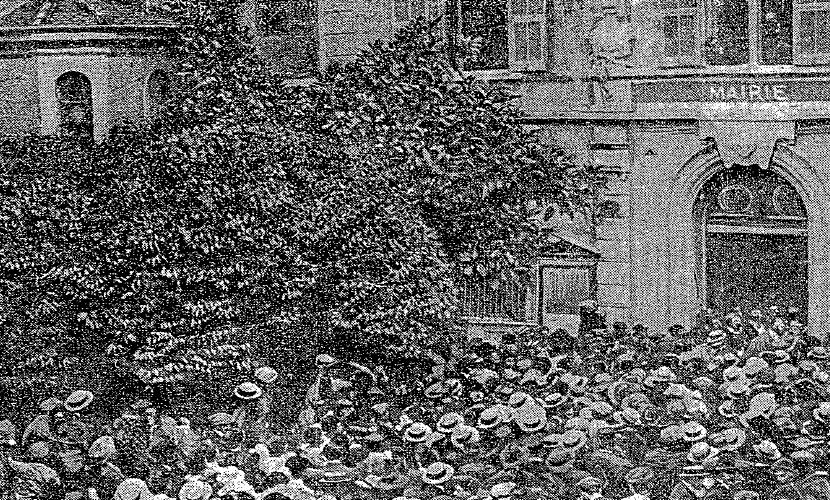
Monégasque Revolution: Shift to Constitutional Monarchy through political reforms in Monaco's history.
Monaco
Political
3 min read
Updated By: History Editorial Network (HEN)
Published:
Updated:
The Monégasque Revolution was a critical event in Monaco's history, marking a turning point in its governance structure. The revolution was fueled by widespread dissatisfaction among the populace with the absolute rule of Prince Albert I. A series of social and economic changes had heightened the desire for a more democratic governance system, inspiring the local population to demand political reforms.
The agitation resulted in Prince Albert I agreeing to the formulation of a constitution. This historic document, known as the 1911 Constitution, effectively curtailed the absolute powers of the prince and introduced a constitutional monarchy. Key provisions included the establishment of the National Council, a parliamentary body that would share governance responsibilities with the prince. This council was to be elected by the citizens, thereby providing them with a greater voice in the administration of their country.
The introduction of the constitution had significant ramifications. It democratized political power, ensuring a system of checks and balances and paved the way for modern governance in Monaco. This shift was particularly notable in the broader context of European monarchies, many of which were experiencing similar pressures and transitions during this period.
#MonacoHistory #ConstitutionalMonarchy #PoliticalReforms #MonégasqueRevolution #MoofLife

Explore the Life Moments of
 AI Twin