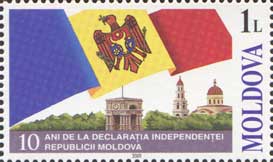
Moldova Declares Independence After Coup Collapse
Moldova
Politics
Independence
3 min read
Updated By: History Editorial Network (HEN)
Published:
Updated:
Moldova's declaration of independence marked a pivotal shift in the region's political landscape following the collapse of a coup aimed at preserving the Soviet Union. This event was part of a broader wave of independence movements across former Soviet republics, as many sought to establish their sovereignty and break free from Moscow's control. The coup's failure not only weakened the central authority of the Soviet Union but also emboldened various nationalist movements within its borders, leading to a surge in declarations of independence. Moldova's decision to assert its independence was influenced by a growing desire for self-determination among its population, as well as the changing geopolitical dynamics in Eastern Europe.
The impact of Moldova's independence was significant, as it set the stage for the country to pursue its own political and economic path. Following the declaration, Moldova faced numerous challenges, including establishing a stable government, navigating economic reforms, and addressing ethnic tensions within its borders. The move was recognized internationally, allowing Moldova to join various international organizations and engage in diplomatic relations. The independence of Moldova also contributed to the ongoing discussions and treaties among post-Soviet states aimed at addressing the legacy of the Soviet Union, highlighting the complexities of transitioning from a centralized regime to independent governance.
#mooflife
#MomentOfLife
#Moldova
#Independence
#SovietUnion
#Post-sovietStates
#GeopoliticalChanges

Explore the Life Moments of
 AI Twin