Fall to the Golden Horde
Moldova
Medieval Studies
Eastern European Studies
3 min read
Updated By: History Editorial Network (HEN)
Published:
Updated:
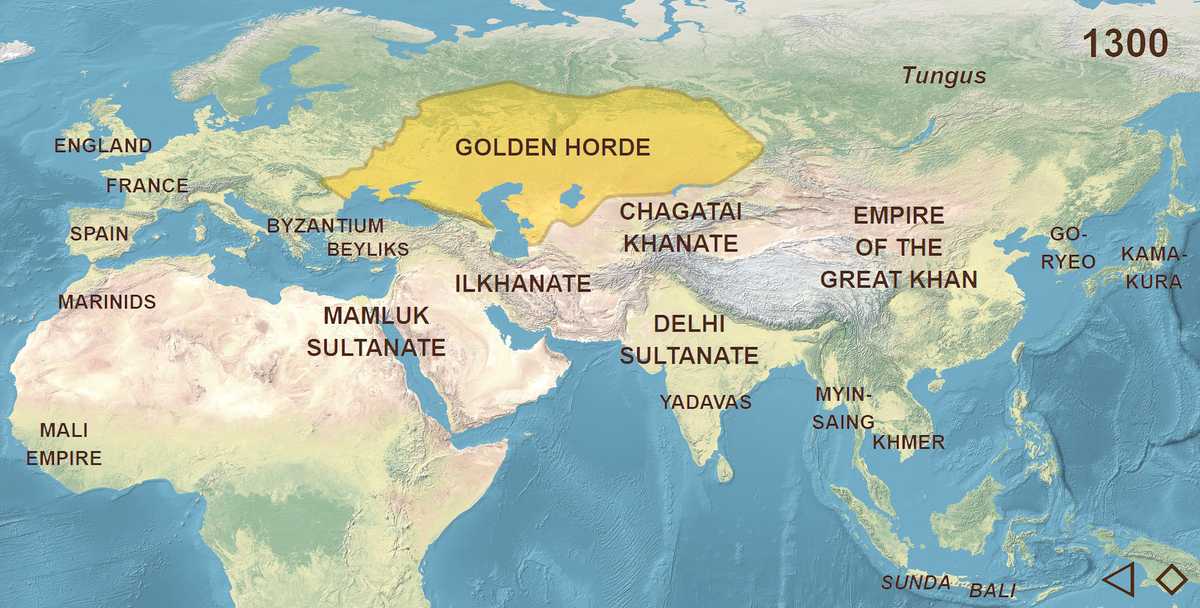
The fall of Moldova to the Golden Horde marked a significant shift in the region's political landscape. The Golden Horde, a Mongol khanate, expanded its influence across Eastern Europe, including Moldova, which came under their control in the early 13th century. This period saw the integration of local populations into the Horde's administrative and economic systems. The Hypatian Chronicle references the Bolokhoveni, a group believed to be connected to the Romanian population, indicating the cultural and demographic changes that occurred during this time. The presence of the Golden Horde facilitated trade routes and interactions with other regions, including the Genoa Republic, which established trade colonies in the area, further influencing local economies and cultures.
The impact of the Golden Horde's rule extended beyond mere governance; it reshaped the social and economic structures of Moldova. The Horde's control lasted until the early 14th century, during which time local leaders often had to navigate the complexities of allegiance to the Mongol rulers while maintaining their own authority. This period also laid the groundwork for future conflicts and the eventual emergence of independent principalities in the region. The legacy of the Golden Horde's influence can still be traced in the historical narratives and cultural identities of Moldova and its neighboring territories.
#mooflife
#MomentOfLife
#GoldenHorde
#MoldovaHistory
#EasternEurope
#MongolEmpire
#CulturalImpact

Explore the Life Moments of
 AI Twin