Stanley Milgram's Obedience Experiments
Psychology
Experiments
Human Behavior
4 min read
Updated By: History Editorial Network (HEN)
Published:
Updated:
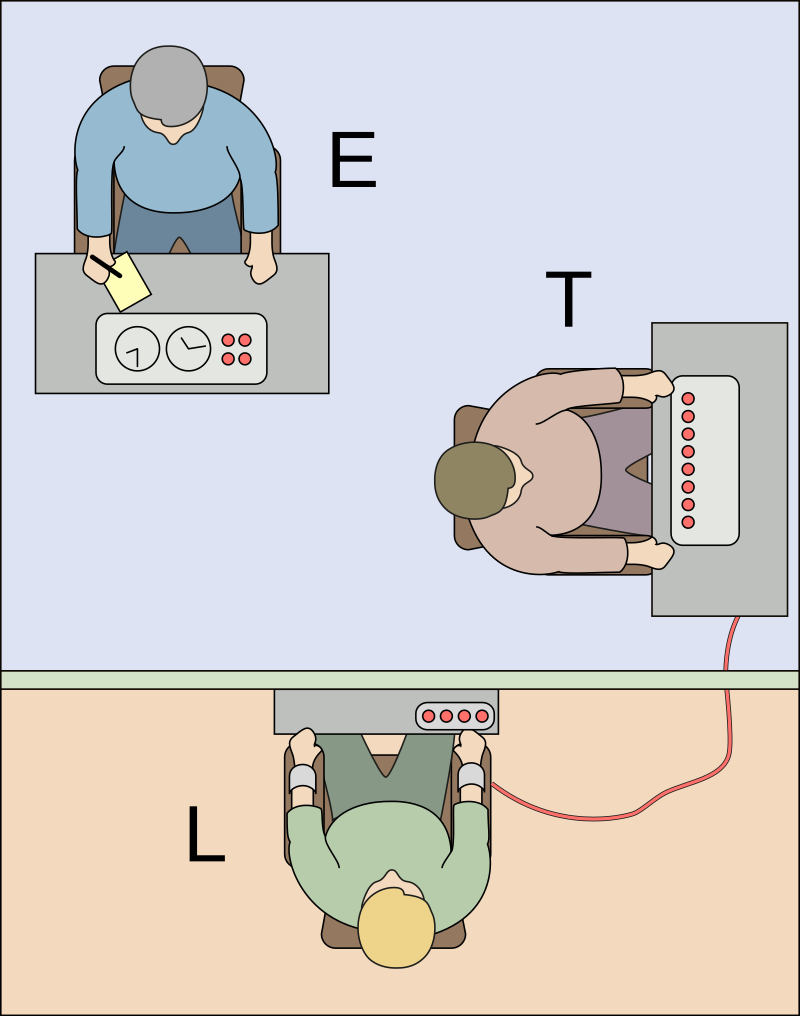
Stanley Milgram's Obedience Experiments were designed to investigate the extent to which individuals would comply with authority figures, even when such compliance required them to act against their personal moral beliefs. Conducted in a controlled environment, the experiments involved participants being instructed to administer electric shocks to a learner, who was actually an actor pretending to be shocked. The results revealed a disturbing trend: a significant majority of participants continued to administer shocks despite hearing the learner's protests and apparent distress. This finding raised critical questions about human behavior, authority, and moral responsibility, highlighting the potential for ordinary individuals to commit acts they would typically find reprehensible when directed by an authority figure. The experiments demonstrated that situational factors could heavily influence behavior, suggesting that the capacity for obedience is deeply ingrained in human psychology.
The impact of Milgram's work extended beyond the confines of psychology, influencing various fields including ethics, sociology, and education. The experiments sparked widespread debate about the ethical implications of psychological research, leading to stricter guidelines for the treatment of participants in studies. Furthermore, the findings have been applied to understand historical events, such as the Holocaust, where individuals followed orders that led to atrocities. Milgram's research has been cited in discussions about authority and compliance in various contexts, including military and corporate environments. The experiments serve as a reminder of the complexities of human behavior and the potential for individuals to act against their conscience under pressure from authority, prompting ongoing exploration into the dynamics of obedience and moral judgment.
#mooflife
#MomentOfLife
#MilgramExperiment
#ObedienceToAuthority
#HumanBehavior
#PsychologyResearch
#EthicsInPsychology
Primary Reference
Milgram experiment

Explore the Life Moments of
 AI Twin