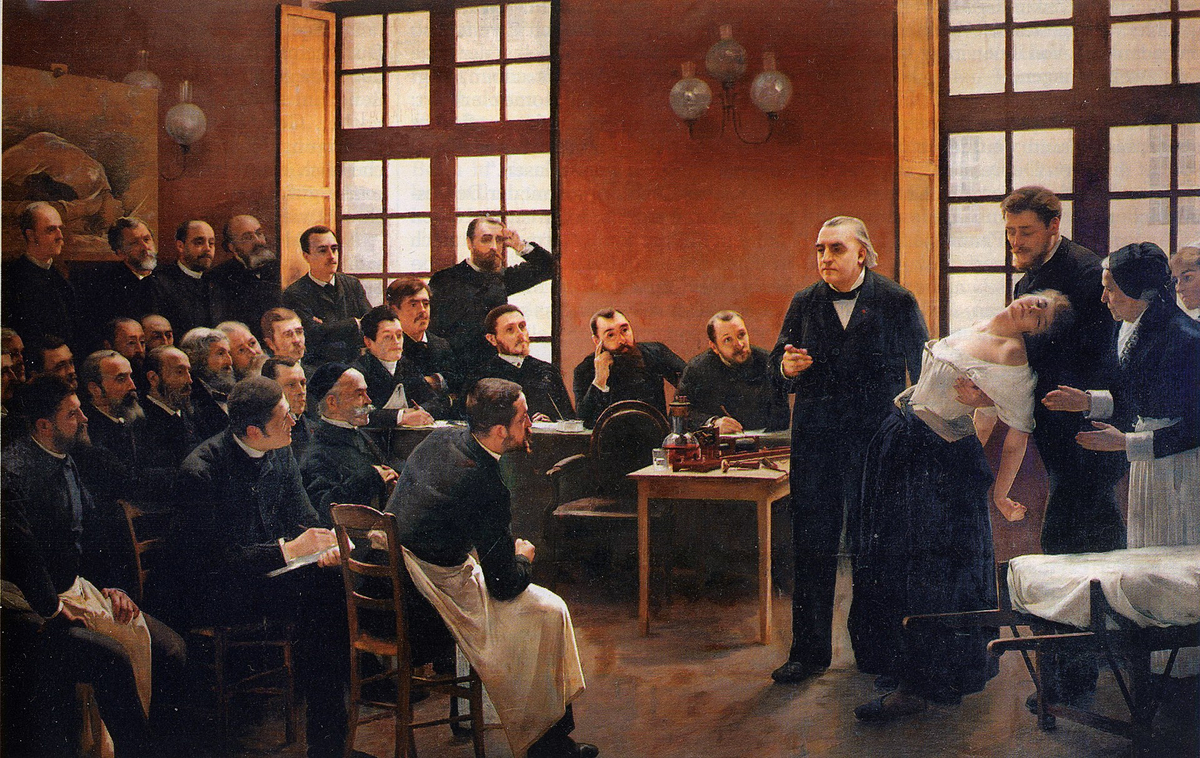
Sigmund Freud begins offering psychoanalysis
Psychology
Mental Health
Therapy
4 min read
Updated By: History Editorial Network (HEN)
Published:
Updated:
Sigmund Freud, an Austrian neurologist, initiated the practice of psychoanalysis in Vienna, Austria. This method of therapy involved engaging patients in dialogue to explore their thoughts, feelings, and memories, aiming to uncover unconscious motivations and conflicts. Freud's approach was revolutionary, as it shifted the focus from purely physiological explanations of mental illness to a more nuanced understanding of the human psyche. He believed that many psychological issues stemmed from repressed emotions and unresolved conflicts, often rooted in childhood experiences. This perspective laid the groundwork for modern psychotherapy and significantly influenced the field of psychology. Freud's techniques included free association, dream analysis, and the exploration of transference, which became foundational elements of psychoanalytic practice. His work prompted a shift in how mental health was perceived and treated, leading to the establishment of psychoanalysis as a formal discipline within psychology. The impact of Freud's theories extended beyond therapy, influencing literature, art, and cultural studies, as they provided new insights into human behavior and motivation. The introduction of psychoanalysis marked a pivotal change in the understanding of mental health, emphasizing the importance of the unconscious mind and the therapeutic relationship between patient and therapist. Freud's contributions have been both celebrated and critiqued, but his influence on psychology and the treatment of mental health issues remains profound and enduring.
#mooflife
#MomentOfLife
#SigmundFreud
#Psychoanalysis
#Psychotherapy
#MentalHealth
#Psychology
Primary Reference
https://en.wikipedia.org/wiki/Sigmund_Freud

Explore the Life Moments of
 AI Twin