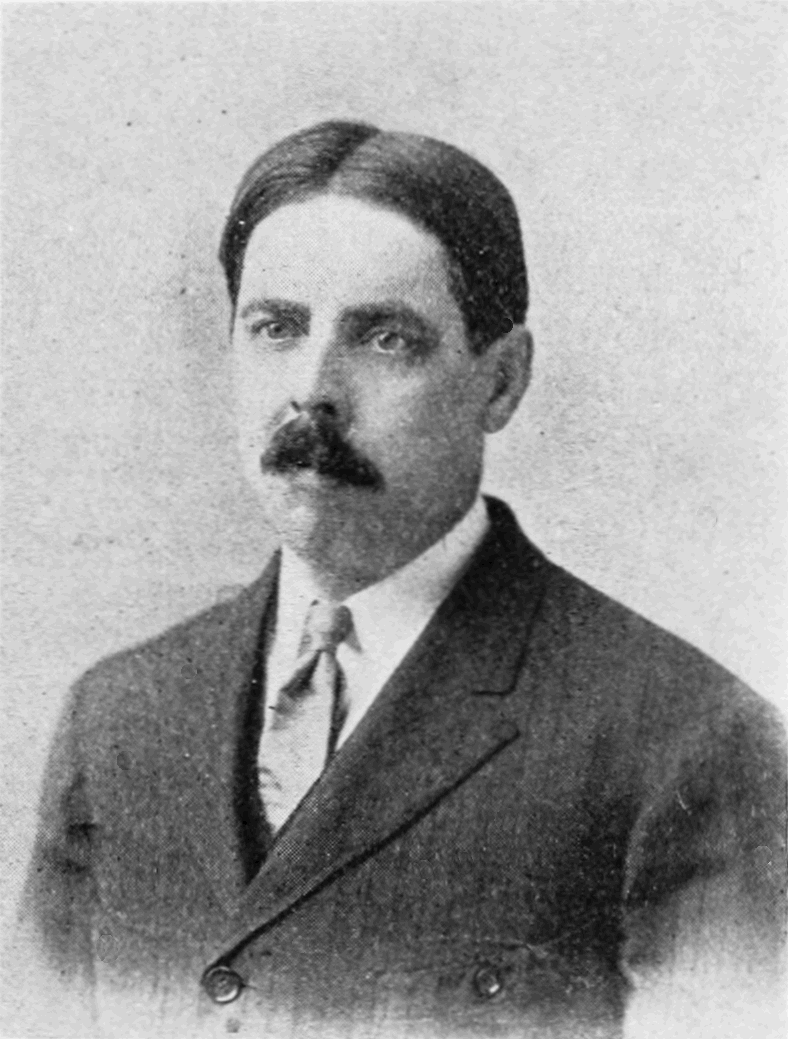
Edward Thorndike publishes 'Animal Intelligence'
Psychology
Behavioral Science
Education
4 min read
Updated By: History Editorial Network (HEN)
Published:
Updated:
Edward Thorndike's publication of 'Animal Intelligence' marked a pivotal moment in the field of psychology, particularly in understanding animal behavior and learning processes. Thorndike conducted experiments with cats, using puzzle boxes to observe how they learned to escape for a reward. His findings demonstrated that animals learn through trial and error, leading to the formulation of the Law of Effect, which states that responses followed by satisfying outcomes are more likely to be repeated. This work laid the groundwork for future research in behavioral psychology and influenced the development of operant conditioning, a concept further expanded by B.F. Skinner. Thorndike's emphasis on empirical research and observable behavior shifted the focus of psychology from introspection to a more scientific approach, establishing a foundation for behaviorism as a dominant paradigm in the early 20th century.
The impact of 'Animal Intelligence' extended beyond academic circles, influencing various fields such as education, animal training, and even artificial intelligence. Thorndike's principles of learning have been applied to create effective teaching methods that emphasize reinforcement and feedback. His work also contributed to the understanding of how animals adapt to their environments, which has implications for conservation efforts and animal welfare. The research methodologies he employed, including systematic observation and experimentation, set a standard for future psychological studies. Overall, Thorndike's contributions through 'Animal Intelligence' not only advanced the study of animal behavior but also reshaped the landscape of psychological research, emphasizing the importance of scientific inquiry in understanding learning processes.
#mooflife
#MomentOfLife
#EdwardThorndike
#AnimalIntelligence
#OperantConditioning
#Behaviorism
#Psychology
Primary Reference
A Historical Timeline of Modern Psychology

Explore the Life Moments of
 AI Twin