B.F. Skinner develops theory of operant conditioning
Psychology
Behaviorism
Learning Theories
3 min read
Updated By: History Editorial Network (HEN)
Published:
Updated:
B.F. Skinner, a prominent psychologist, is recognized for his contributions to behaviorism, particularly through the development of operant conditioning. This theory posits that behaviors are influenced by the consequences that follow them, which can either reinforce or punish the behavior. Skinner's work emphasized the importance of reinforcement schedules, which are patterns that determine how and when a behavior is reinforced. These schedules can significantly affect the rate at which behaviors are acquired and extinguished. For instance, continuous reinforcement leads to rapid learning, while variable reinforcement can create more persistent behaviors. Skinner's research utilized controlled experiments, often involving animals, to demonstrate how different reinforcement strategies could shape behavior. His findings have had a profound impact on various fields, including education, psychology, and animal training, providing a framework for understanding how behavior can be modified through systematic reinforcement techniques. The principles of operant conditioning have been applied in numerous practical settings, from classroom management to therapeutic interventions, illustrating the versatility and relevance of Skinner's work in contemporary psychology and behavior modification practices.
#mooflife
#MomentOfLife
#B.f.Skinner
#OperantConditioning
#Behaviorism
#ReinforcementSchedules
#Psychology
Primary Reference
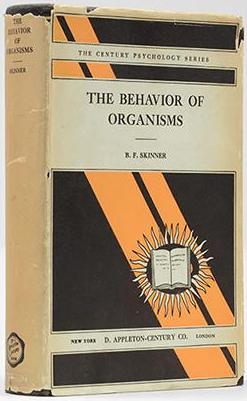
The Behavior of Organisms

Explore the Life Moments of
 AI Twin