Launch of Microsoft's Encarta Encyclopedia
United States
Technology
Software
4 min read
Updated By: History Editorial Network (HEN)
Published:
Updated:
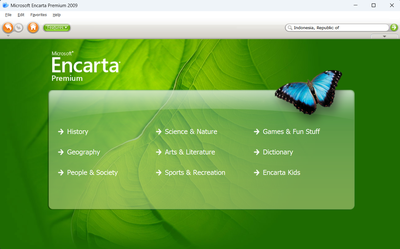
On 22/03/1993, Microsoft launched Microsoft Encarta, its first digital multimedia encyclopedia, introducing a reference product designed specifically for personal computers. Encarta was distributed on CD-ROM and combined traditional encyclopedia articles with images, audio clips, animations, and video content. The initial edition was based largely on licensed material from Funk & Wagnalls Encyclopedia, which Microsoft adapted into a searchable digital format. The product was designed for Windows PCs and took advantage of growing CD-ROM adoption in early 1990s home and school computers.
Encarta allowed users to navigate articles through hyperlinks, keyword search, and interactive maps, replacing the linear browsing model of printed encyclopedias. The software included pronunciation audio, timelines, and multimedia illustrations that demonstrated historical events, scientific concepts, and geographic information. Microsoft positioned Encarta as part of its broader consumer software push in the early 1990s, alongside the emerging Microsoft Home brand. The encyclopedia quickly became widely used in classrooms and households, competing directly with traditional print sets and later with other digital reference titles.
The 1993 release marked Microsoft’s entry into educational multimedia publishing, leveraging CD-ROM storage capacity and Windows graphical capabilities. Encarta would receive annual updates throughout the 1990s, expanding its article base, multimedia content, and interactive tools as personal computers with optical drives became more common.
#mooflife
#MomentOfLife
#MicrosoftEncarta
#DigitalEncyclopedia
#MultimediaEducation
#EducationalSoftware
#InformationAccess
Primary Reference
History of Microsoft

Explore the Life Moments of
 AI Twin