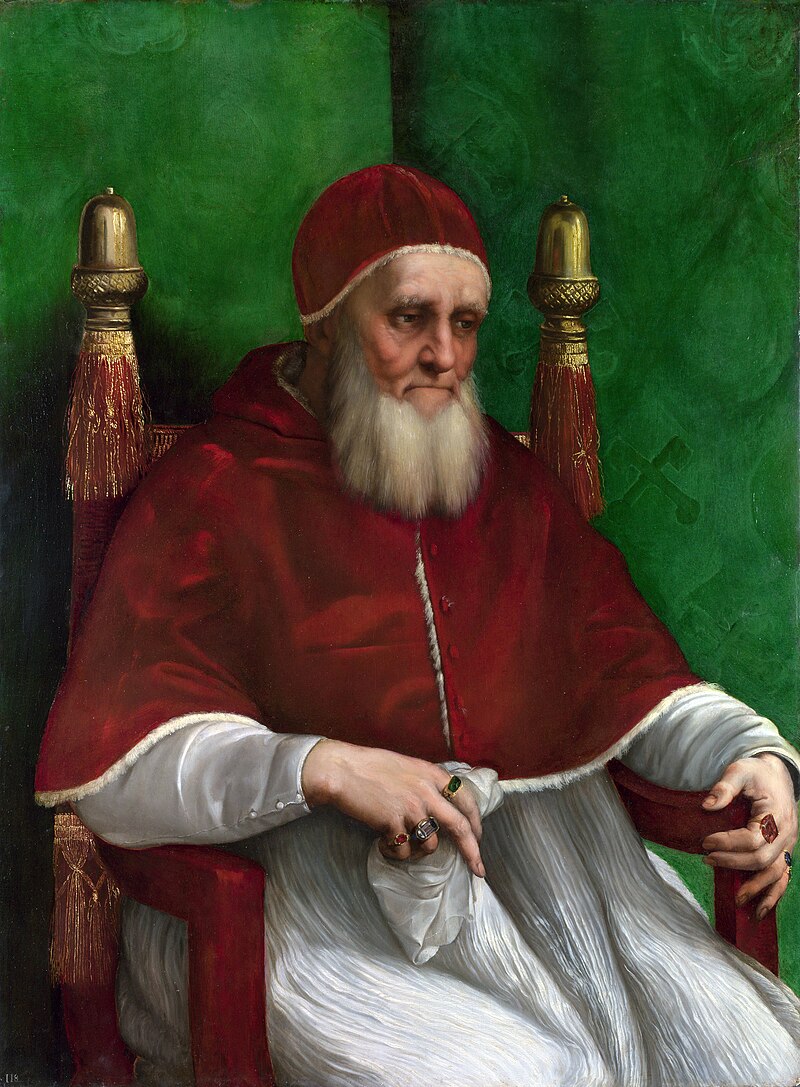
Transition from Pope Julius II to Leo X: art, politics, and religious tensions in Renaissance Europe.
Italy
Political
Cultural
4 min read
Updated By: History Editorial Network (HEN)
Published:
Updated:
Pope Julius II passed away, leading to the ascension of Pope Leo X, born Giovanni di Lorenzo de' Medici, to the papal throne. Pope Julius II, known as "The Warrior Pope," had a significant impact on both political and cultural landscapes, notably commissioning Michelangelo to paint the Sistine Chapel ceiling. His death marked the end of an era of vigorous papal campaigning and ambitious artistic patronage.
Pope Leo X, the second son of the prominent Lorenzo de' Medici of Florence, succeeded him. His background in the influential Medici family positioned him strategically within the Catholic Church and European politics. Leo X's papacy was characterized by a continuation and expansion of cultural patronage, supporting artists like Raphael and creating an environment ripe for the flourishing of Renaissance art and thought.
The transition in leadership also carried substantial implications for the political alliances within Europe. Leo X's reign saw increased tensions that would later culminate in significant religious upheavals. His approach to indulgences, aimed at financing grandiose architectural projects such as the St. Peter's Basilica, played a critical role in sparking Martin Luther's 95 Theses and the subsequent Protestant Reformation.
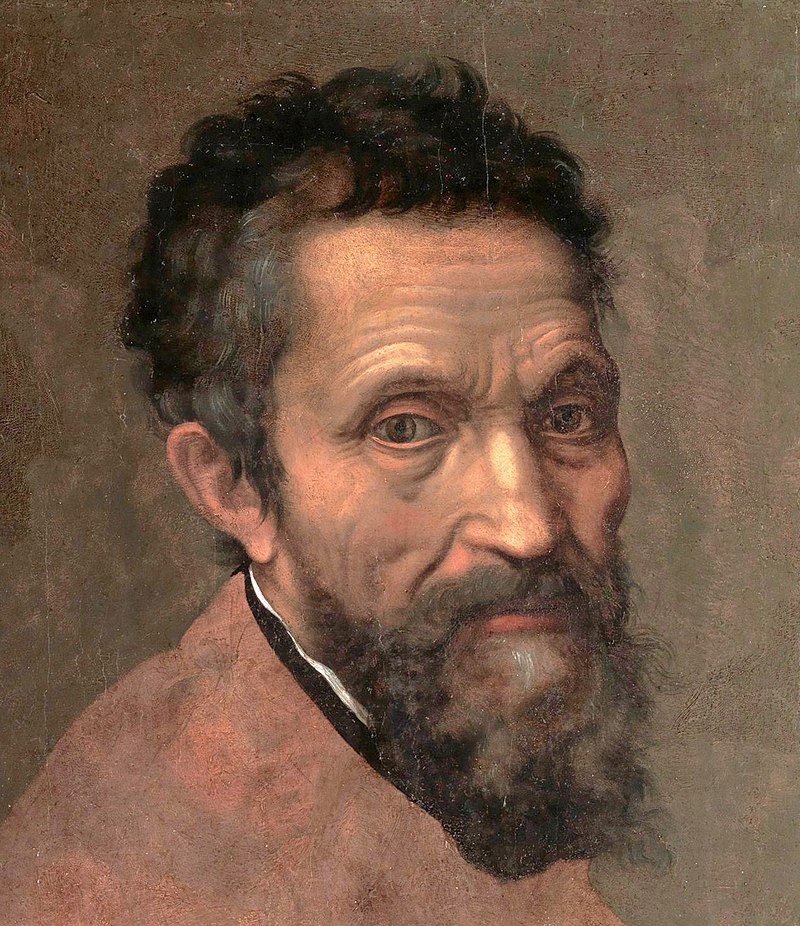
Michelangelo's work under Julius II's patronage is a testament to the intersection of art and ecclesiastical power during this period. The Sistine Chapel remains a key cultural milestone, reflecting the Church's influence on the Renaissance and the era's socio-political complexities.
#PapalHistory #RenaissanceArt #Michelangelo #ReformationBegins #MediciFamily #ChurchPolitics #MoofLife
Explore the Life Moments of
 AI Twin