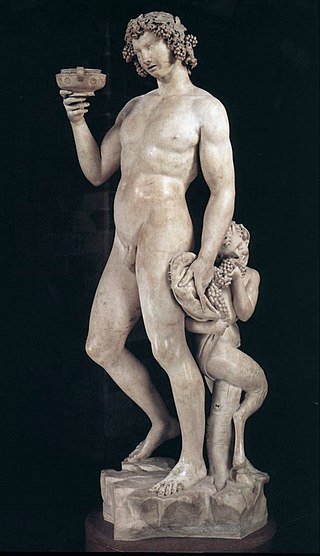
Michelangelo's Bacchus Statue: Artistic Brilliance and Controversy
Italy
Art
4 min read
Updated By: History Editorial Network (HEN)
Published:
Updated:
Michelangelo, a prominent Italian sculptor known for his exceptional talent, completed the Bacchus statue. This artwork was a significant project for the young artist as it represented a chance to demonstrate his skills on a grand scale. Commissioned by Cardinal Raffaele Riario, the statue depicted Bacchus, the Roman god of wine, in a state of drunkenness, symbolizing indulgence and the power of wine.
Upon completion, Michelangelo presented the statue to Cardinal Riario, expecting approval and appreciation for his meticulous work. However, the Cardinal rejected the completed statue. His reasons reportedly included its depiction being too pagan and indecorous for what he envisaged, focusing on its lack of alignment with the humanist ideals prevalent in ecclesiastical art patronized by the Church. This rejection was a controversial decision and was rooted more in artistic interpretation rather than the technical skill of Michelangelo, which the Cardinal did not dispute.
The Bacchus statue was later acquired by Jacopo Galli, a banker and art patron, who recognized the quality of Michelangelo's work. He placed the statue in his garden, where it became a part of a collection that celebrated the classical traditions of ancient Rome. Today, the Bacchus statue is acknowledged for its artistic brilliance and understanding of human form, showcasing Michelangelo's ability to bring forth classical themes through his perspective.
This moment had a notable impact on Michelangelo’s career. While facing rejection by a powerful cleric was challenging, the eventual appreciation from art connoisseurs and patrons bolstered his reputation as a master sculptor. Moreover, it underscored the complexities of art patronage during the Renaissance, where artistic vision and patron expectations often conflicted.
#Michelangelo #RenaissanceArt #BacchusStatue #ArtHistory #MoofLife
Explore the Life Moments of
 AI Twin