Michelangelo's Pietà: Cardinal's commission propels young artist to Renaissance fame with stunning marble sculpture.
Italy
Art
Cultural Heritage
3 min read
Updated By: History Editorial Network (HEN)
Published:
Updated:
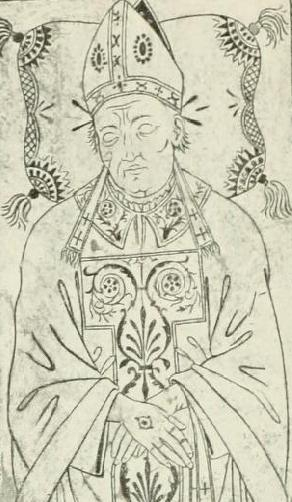
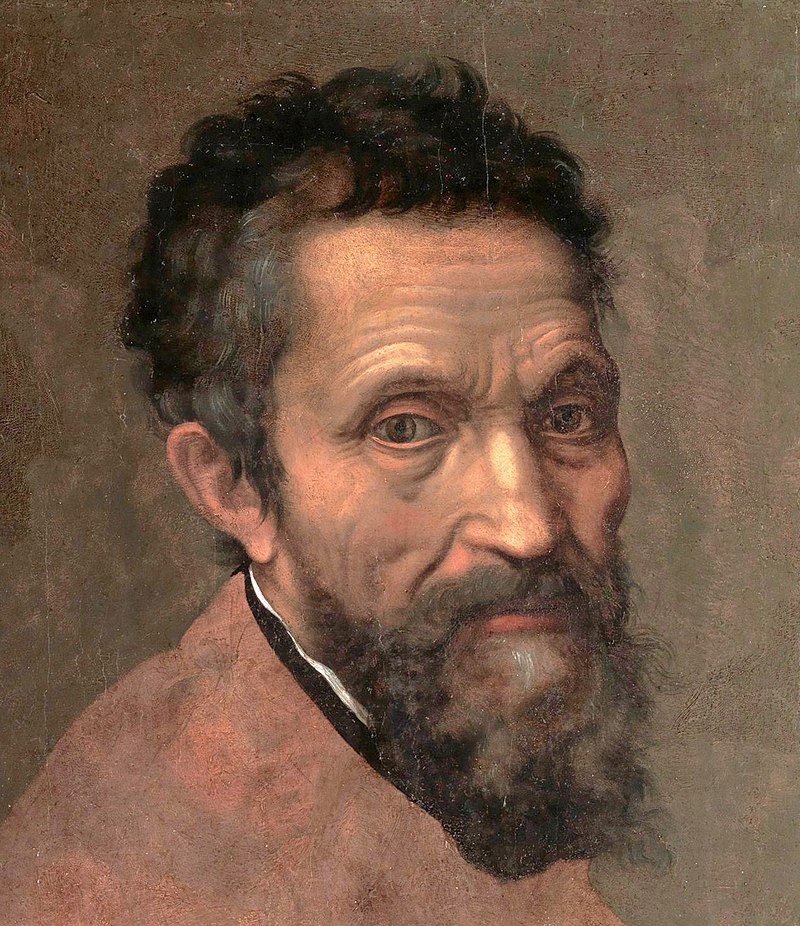
Cardinal Jean de Bilhères-Lagraulas, the French ambassador to the Holy See, tasked Michelangelo with carving the Pietà in Rome. This commission followed the cardinal's interest in acquiring an exquisite marble sculpture for his funeral monument at St. Peter's Basilica. Michelangelo, a young and relatively unproven artist at that point, accepted the challenge with the opportunity to showcase his skill on a high-profile platform.
Michelangelo's approach to this commission involved sourcing a single block of Carrara marble, renowned for its superior quality. Over the subsequent months, he meticulously worked on sculpting the Virgin Mary holding the lifeless body of Jesus, focusing on anatomical precision and emotional intensity. The resulting masterpiece was remarkable for its lifelike detail and balanced composition.
The completed Pietà not only achieved immediate acclaim but also marked a crucial point in Michelangelo's career, establishing him as a leading sculptor of the Renaissance. The work's impact was profound, influencing subsequent artists and contributing significantly to the development of Renaissance art. The Pietà remains one of Michelangelo's most celebrated works and is viewed as a pivotal example of Renaissance artistry and piety.
#Michelangelo #RenaissanceArt #Pietà #VaticanArt #HistoricCommission #ArtHistory #CulturalHeritage #MoofLife
Explore the Life Moments of
 AI Twin