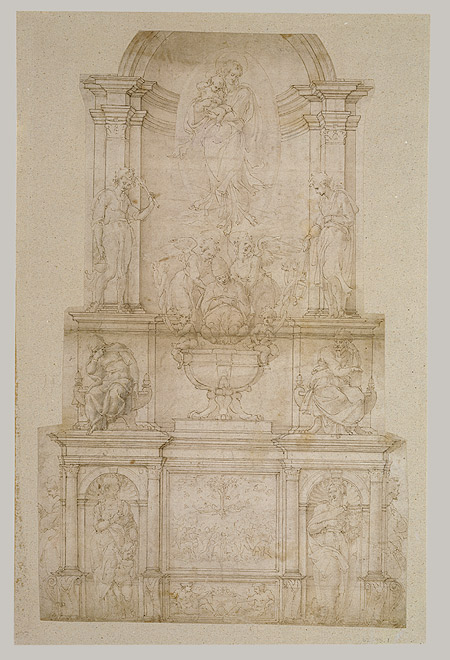
Michelangelo's Ambitious Tomb Commission for Pope Julius II: A Renaissance Masterpiece Hindered by Delays.
Italy
Art
4 min read
Updated By: History Editorial Network (HEN)
Published:
Updated:
Michelangelo, an acclaimed sculptor and artist, was invited to Rome by Pope Julius II. The Pope sought to immortalize his legacy with an ambitious project — the construction of his tomb. The commission was a testament to Michelangelo's growing reputation in the artistic community. Pope Julius II envisioned a grand and elaborate tomb that would highlight his power and influence.
Michelangelo began designing the tomb which was to be an extensive work featuring over 40 statues. The plan for the tomb was monumental, intended to reside in St. Peter’s Basilica. However, the project faced numerous delays and complications over the years. These issues were attributed to a shortage of funds and the Pope’s shifting priorities towards other significant projects.
Michelangelo found the project challenging, not only due to its scale but also due to the intermittent support from Pope Julius II. During this period, Michelangelo also painted the Sistine Chapel ceiling, shifting his focus between tasks. The ongoing interruptions impacted the completion of the tomb, which extended far beyond the Pope's lifetime.
The tomb was eventually completed decades later, in a far simpler form than initially proposed. Despite this, it remains a significant representation of Michelangelo's mastery in sculpture. The experience reflected the complex relationship between artists and their patrons during the Renaissance.
In retrospect, Michelangelo’s commission to build Pope Julius II’s tomb highlights the intricate dynamics of Renaissance art, the challenges faced in executing grand projects, and the legacy of one of history’s most influential artists.
#Michelangelo #PopeJuliusII #RenaissanceArt #ArtCommission #ArtHistory #MoofLife
Explore the Life Moments of
 AI Twin