Michelangelo laid to rest in Florence, honoring his legacy and artistic contributions.
Italy
Art
4 min read
Updated By: History Editorial Network (HEN)
Published:
Updated:
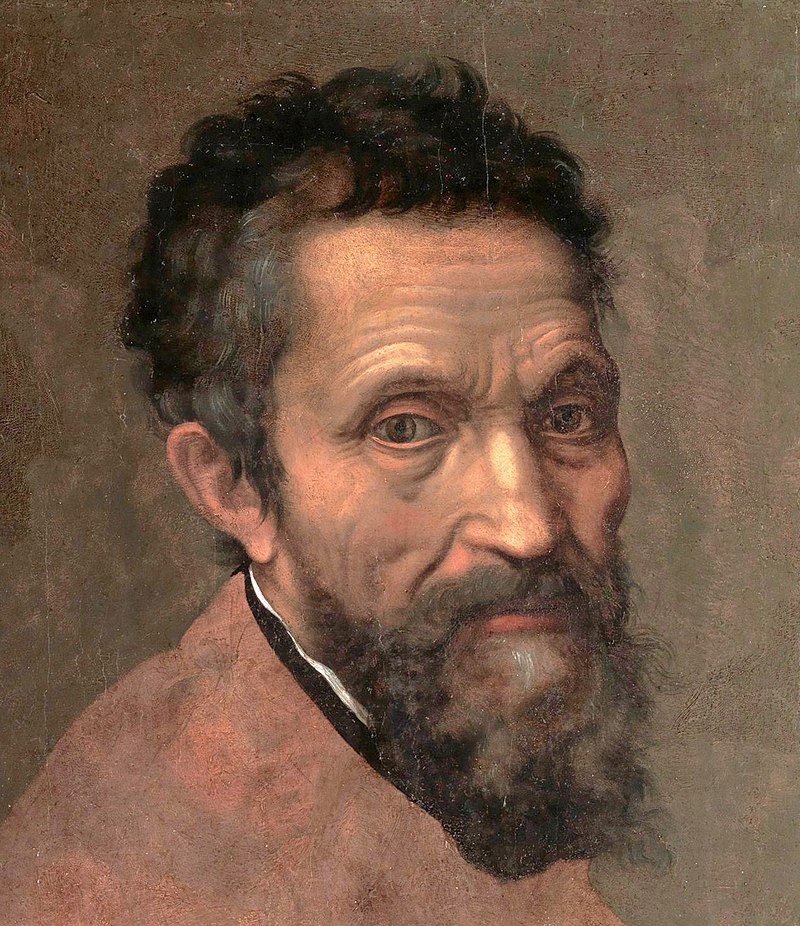
Michelangelo Buonarroti was laid to rest at the Basilica of Santa Croce in Florence, fulfilling his final wish. As one of the leading figures of the Renaissance, his death marked the end of an era enriched with artistic innovation and genius. Known for masterpieces such as the statue of David and the Sistine Chapel ceiling, Michelangelo's contribution to art and architecture had left a significant imprint on Italian culture.
A procession accompanied Michelangelo's remains to the basilica, with representatives from various guilds and institutions, as well as artists, scholars, and citizens of Florence, paying their respects. The Basilica of Santa Croce, already a place of honor for other notable Italian figures, became a fitting final resting place for Michelangelo due to its importance and his deeper association with Florence's cultural heritage.
The decision to inter him in Florence, rather than Rome where he spent much of his later years, emphasized the artist's enduring connection to his hometown. The burial ceremony was a solemn event, reflecting the respect and admiration he garnered during his lifetime. Michelangelo's interment at the basilica underscored the profound impact of his work on art and society.
His tomb was later adorned with a monument created by Giorgio Vasari, celebrating his legacy. This interment drew attention to the significance of Santa Croce as a sanctuary for Italian luminaries. It reinforced Florence's status as a center of Renaissance culture and innovation. Michelangelo’s body of work continued to inspire generations of artists and thinkers, cementing his place in history as one of the epoch's most influential creators.
#Michelangelo #Florence #SantaCroce #RenaissanceArt #ItalianCulture #Legacy #ArtHistory #MoofLife
Explore the Life Moments of
 AI Twin