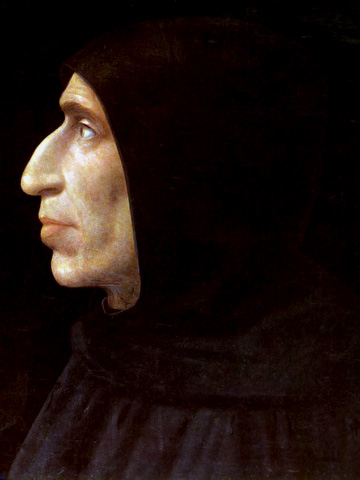
Girolamo Savonarola: Rise, Fall, and Impact on Florence's Political Landscape
Italy
Political
Religious
4 min read
Updated By: History Editorial Network (HEN)
Published:
Updated:
Girolamo Savonarola was a Dominican friar whose sermons and teachings challenged the secularism and moral laxity that he believed plagued the Renaissance society in Florence. His call for repentance and return to Christian values gained substantial support among the populace, leading to his de facto control of the city's government. Under his influence, numerous reforms were implemented, including the prohibition of secular entertainments and the infamous "Bonfire of the Vanities," where citizens burned objects representing vanity and temptation.
However, Savonarola's strict regime and condemnation of the church prompted opposition from both Florence's elite and the Roman Catholic Church. His excommunication by Pope Alexander VI further isolated him politically. The public sentiment began to shift as rumors spread about his authoritarian rule and failure to deliver promised divine interventions.
Savonarola was eventually arrested, tried for heresy and sedition, and executed. His death marked the end of his radical influence and signaled a shift in Florence's political landscape. Following his execution, Florence experienced a return to the Medici family's rule, who had been ousted during Savonarola's rise. This transition also had a significant impact on Florence’s governance and its relationship with the Vatican.
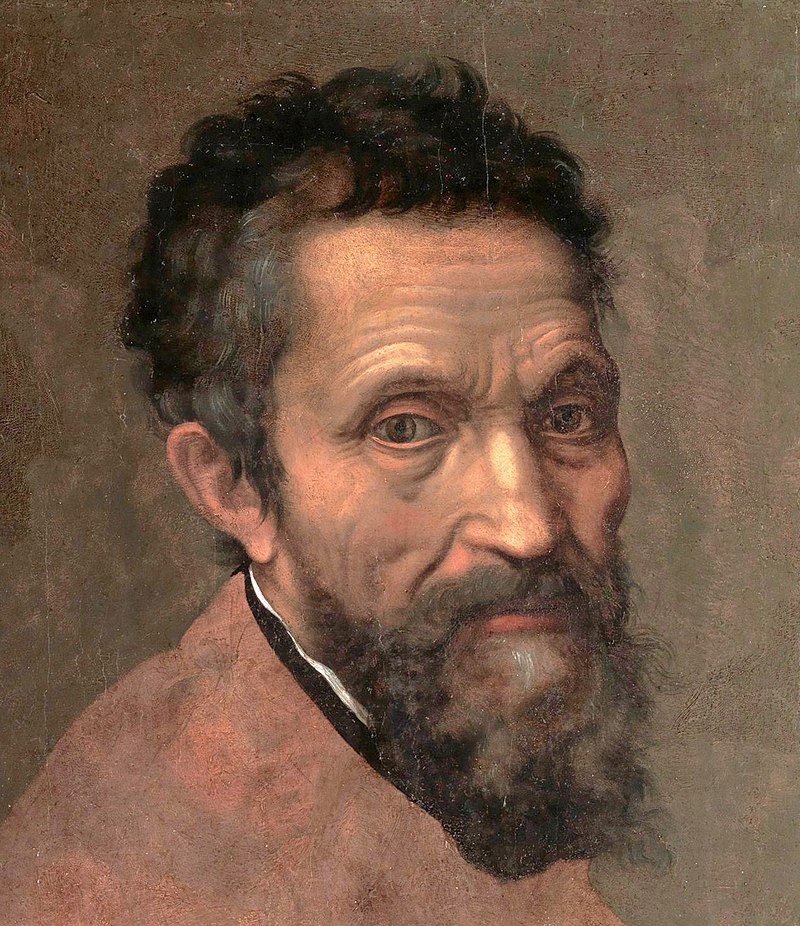
One notable figure during this period was the artist Michelangelo, whose works were influenced by the shifting political and cultural landscape of Florence. Savonarola's emphasis on piety left its mark on the city’s cultural outputs, seen in Michelangelo's work that often blended religious themes with Renaissance humanism.
Relevant hashtags: #MoofLife #FlorenceHistory #PoliticalChanges #Savonarola #Michelangelo #CulturalImpact
Explore the Life Moments of
 AI Twin