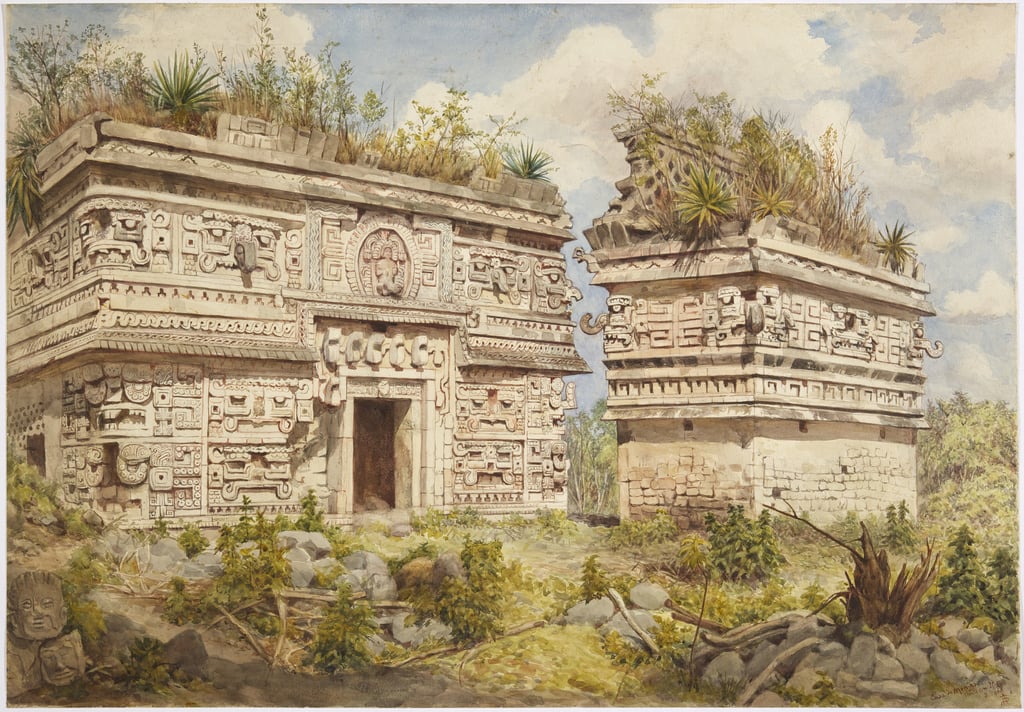
Rise of the city of Chichen Itza as a prominent Mayan center
Mexico
Cultural Heritage
3 min read
Updated By: History Editorial Network (HEN)
Published:
In 600, Chichen Itza emerged as a prominent Mayan center, becoming a powerful city-state in the Yucatan Peninsula of present-day Mexico. Its rise was marked by strategic alliances, trade routes, and military conquests that expanded its influence across the region. The city's architecture, including the iconic El Castillo pyramid, showcased advanced engineering and astronomical knowledge.
The impact of Chichen Itza's prominence was felt through political and economic control over surrounding territories, resulting in a thriving metropolis with a diverse population. The city became a hub for religious ceremonies, commerce, and cultural exchange, attracting migrants and traders from distant lands.
Chichen Itza's dominance drove innovations in agriculture, art, and urban planning, leaving a lasting legacy on Mayan civilization. The city's decline in later centuries remains a topic of study, with factors such as drought, warfare, and political instability playing a role in its eventual abandonment.
#MayanCivilization #ChichenItza #YucatanPeninsula #CulturalExchange #AncientArchitecture
Primary Reference
Chichen Itza - Mexico, Pyramid & Facts | HISTORY

Explore the Life Moments of
 AI Twin