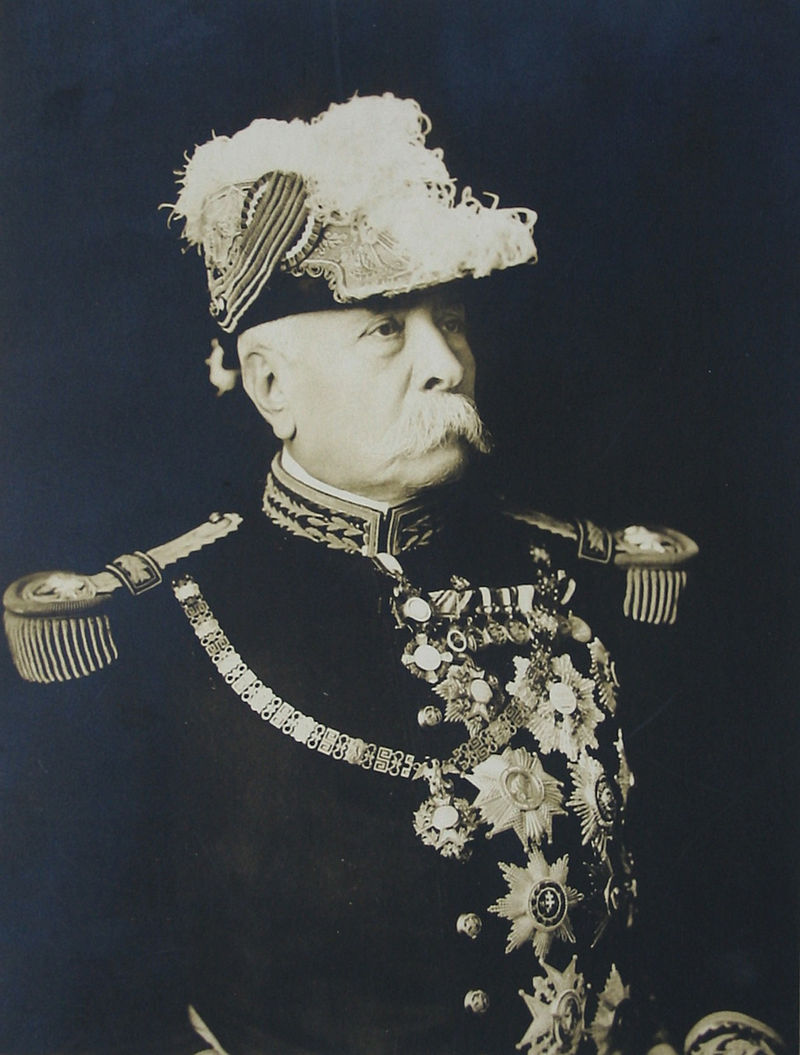
Revolutionary turmoil and conflict erupt in Mexico, leading to major historical changes and reform.
Mexico

Political
Social Justice
3 min read
Updated By: History Editorial Network (HEN)
Published:
The Mexican Revolution began as a response to the oppressive regime of Porfirio Díaz, who had been in power for over three decades. The revolution was fueled by a combination of factors, including political corruption, economic inequality, and social injustice. Various factions and leaders emerged during the revolution, such as Emiliano Zapata and Pancho Villa, each representing different ideologies and advocating for the rights of the Mexican people.
The revolution had a profound impact on Mexican society, resulting in significant political and social reforms. It led to the drafting of a new constitution in 1917, which included provisions for land reform, labor rights, and educational opportunities for all. The revolutionary movement also paved the way for the emergence of a more inclusive and democratic government in Mexico.
The Mexican Revolution marked a turning point in the country's history, ushering in a period of profound change and transformation. It remains a pivotal event in Mexican history, symbolizing the struggle for justice, equality, and freedom.
#MexicanRevolution #PoliticalReform #SocialJustice #EmilianoZapata #PanchoVilla
Primary Reference
The Mexican Revolution: November 20th, 1910 | NEH-Edsitement

Explore the Life Moments of
 AI Twin