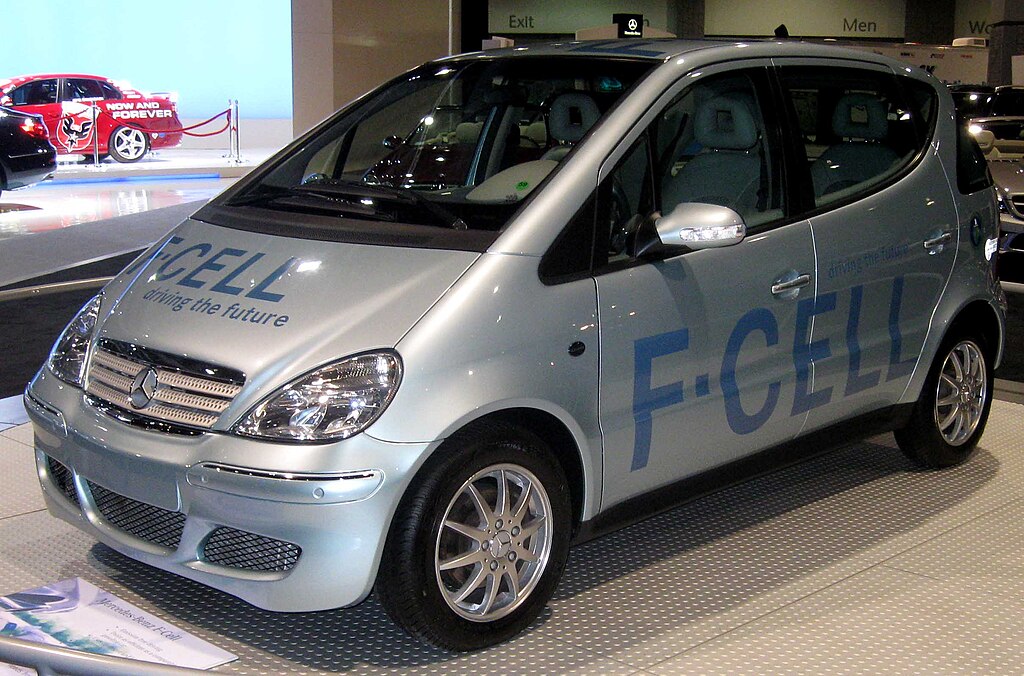
Development of F-Cell fuel cell vehicle
Germany
Automotive Technology
Sustainable Transportation
Fuel Cell Vehicles
4 min read
Updated By: History Editorial Network (HEN)
Published:
Updated:
The development of the F-Cell fuel cell vehicle by Mercedes-Benz began in 2002, marking a significant step in the automotive industry towards sustainable transportation. The F-Cell technology utilizes hydrogen as a fuel source, which is converted into electricity to power the vehicle. This process results in water vapor as the only emission, making it an environmentally friendly alternative to traditional gasoline and diesel vehicles. The current iteration of the F-Cell vehicle is based on the B-Class model and boasts a range of approximately 250 miles on a single charge. This range is a critical factor for consumers considering the transition to hydrogen fuel cell technology, as it provides a practical solution for daily commuting and longer trips without the anxiety of running out of fuel.
The impact of the F-Cell vehicle extends beyond just its range and emissions. It represents a broader shift in the automotive industry towards alternative fuel sources, driven by increasing concerns over climate change and air quality. The F-Cell vehicle is available for lease, allowing consumers to experience the benefits of hydrogen fuel cell technology without the commitment of purchase. Furthermore, the planned volume production of the F-Cell vehicle indicates a growing confidence in hydrogen as a viable fuel source for the future of transportation. As infrastructure for hydrogen refueling stations expands, the adoption of fuel cell vehicles like the F-Cell is expected to increase, contributing to a reduction in greenhouse gas emissions and promoting a more sustainable automotive ecosystem.
#mooflife
#MomentOfLife
#F-cell
#FuelCellVehicle
#Mercedes-benz
#SustainableTransportation
#HydrogenTechnology
Primary Reference
"Mercedes-Benz SLS AMG E-Cell-Prototype Drive"

Explore the Life Moments of
 AI Twin