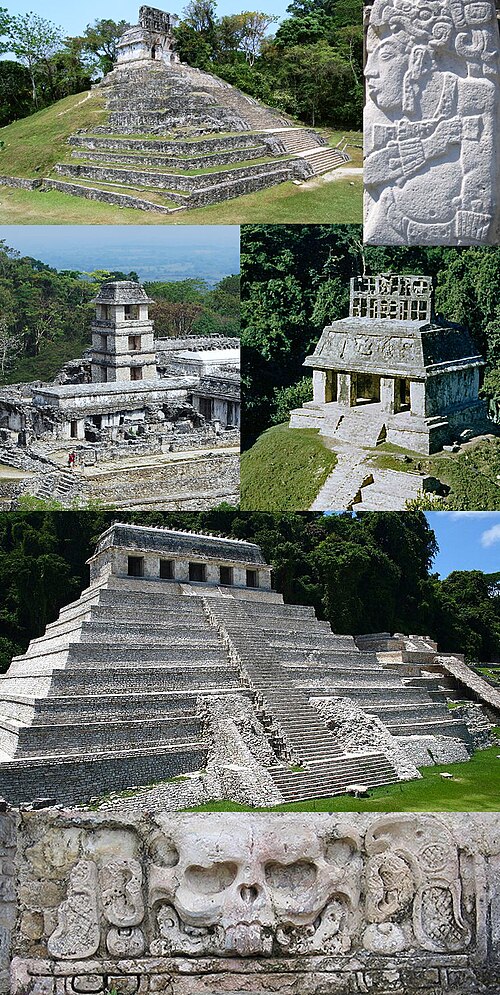
The Maya city of Palenque is abandoned.
Palenque, Chiapas, Mexico
3 min read
Updated By: History Editorial Network (HEN)
Published:
Updated:
The abandonment of the Maya city of Palenque, occurring around the 9th century CE, marked the end of an era for one of the most artistically and architecturally distinguished cities in the Maya world. Once a vibrant center of culture, religion, and political power, Palenque had reached its height under rulers like K'inich Janaab' Pakal and his descendants. The city was renowned for its intricately carved monuments, sophisticated hieroglyphic texts, and majestic temples, including the Temple of the Inscriptions. However, like many other Maya cities during the Terminal Classic period, Palenque eventually fell into decline due to a combination of factors, including political instability, environmental stress, and possibly internal strife.
As the population dwindled and the city was gradually overtaken by the surrounding jungle, Palenque's grand plazas and temples stood silent, abandoned by its once-thriving populace. The reasons behind the collapse remain a subject of scholarly debate, but the abandonment of Palenque fits within the broader pattern of decline seen across the southern lowland Maya region. Despite its fall, the city’s rediscovery in the 18th century and subsequent archaeological efforts have reintroduced the splendor of Palenque to the world, offering valuable insights into the achievements and mysteries of Maya civilization.
Primary Reference
Pre-Hispanic City and National Park of Palenque

Explore the Life Moments of
 AI Twin