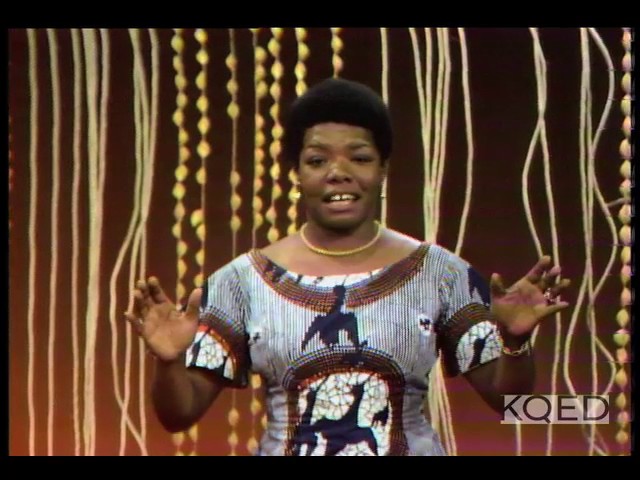
Documentary Series Blacks Blues Black And Its Cultural Impact
KQED, San Francisco, California, United States
Music
Documentary
Cultural Studies
3 min read
Updated By: History Editorial Network (HEN)
Published:
Updated:
On 02/07/1968, the first episode of Blacks, Blues, Black!, a 10 part documentary series written, produced, and hosted by Maya Angelou, premiered on KQED, the public television station in San Francisco. The opening episode, titled “Positive Africanisms,” examined the influence of African cultural traditions on contemporary American life. The series combined interviews, music, historical commentary, and on location segments to explore connections between African heritage and modern Black identity.
Angelou developed the program as a cultural and educational television project during a period of heightened public discussion about race and identity in the United States. Across its episodes, Blacks, Blues, Black! addressed topics including music, religion, language, and social customs, tracing how African traditions shaped African American culture. Angelou served as the central on screen host while also contributing to the writing and production of the series.
The broadcast on KQED in 1968 represented one of Angelou’s early major roles in television production. The series reflected her multidisciplinary career, which at the time included performance, journalism, and activism. By examining cultural continuity between Africa and the Americas, the program contributed to broader conversations about heritage and identity during the late 1960s.
#MayaAngelou
#BlacksBluesBlack
#KQED
#PublicTelevision
#DocumentarySeries
#AfricanAmericanHistory
Primary Reference
Blacks, Blues, Black!

Explore the Life Moments of
 AI Twin