The Formation and Impact of the Congress of Micronesia on Self-Governance in Pacific Islands
Marshall Islands
Politics
International Relations
3 min read
Updated By: History Editorial Network (HEN)
Published:
Updated:
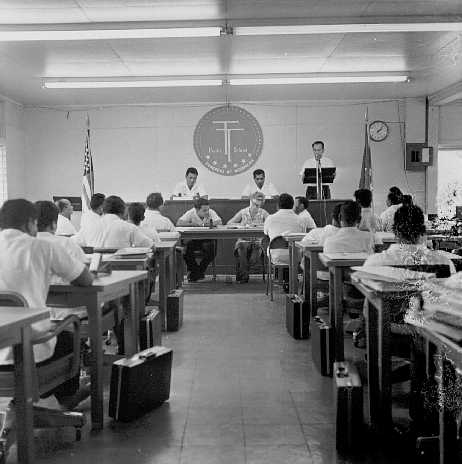
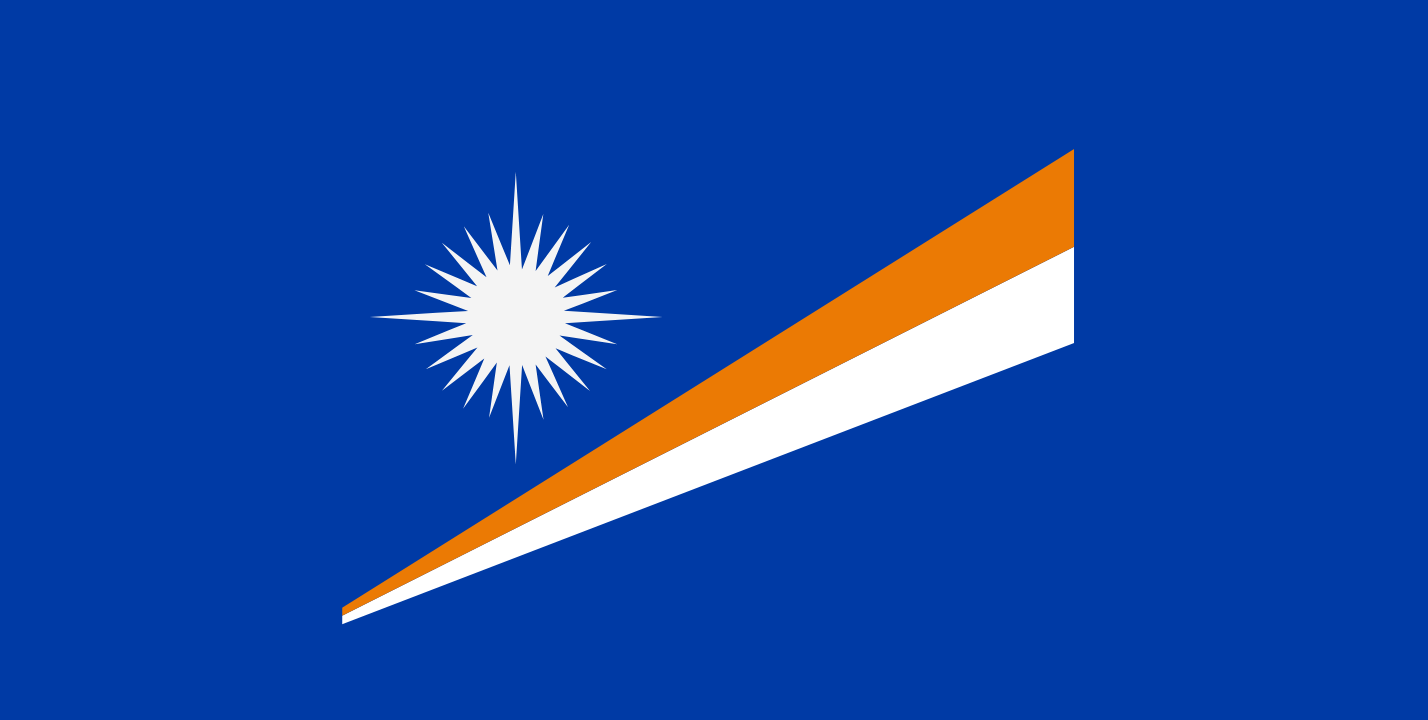
In 1965, the U.S. government established the Congress of Micronesia as part of a broader initiative aimed at enhancing self-governance among the Pacific islands. This formation marked a significant step towards political autonomy for the region, allowing local leaders to engage in legislative processes and address the unique needs of their communities. The Congress served as a platform for dialogue and decision-making, fostering a sense of identity and governance among the Micronesian islands. A pivotal moment in this journey towards self-determination occurred in May 1979 when the United States recognized the independence of the Marshall Islands, acknowledging its constitution and electing Amata Kabua as its first president. This recognition was formalized through a Compact of Free Association, which granted the Marshall Islands full sovereignty while maintaining a cooperative relationship with the U.S. The Marshall Islands has since become an active member of the Pacific Community (PC) since 1983 and joined the United Nations as a member state in 1991. These developments underscore the ongoing evolution of governance and international relations in the Pacific region, highlighting the importance of self-governance and collaboration in fostering sustainable development. #mooflife #mof #MomentOfLife #CongressOfMicronesia #Self-governance #MarshallIslands #PacificCommunity #U.s.Relations
Explore the Life Moments of
 AI Twin