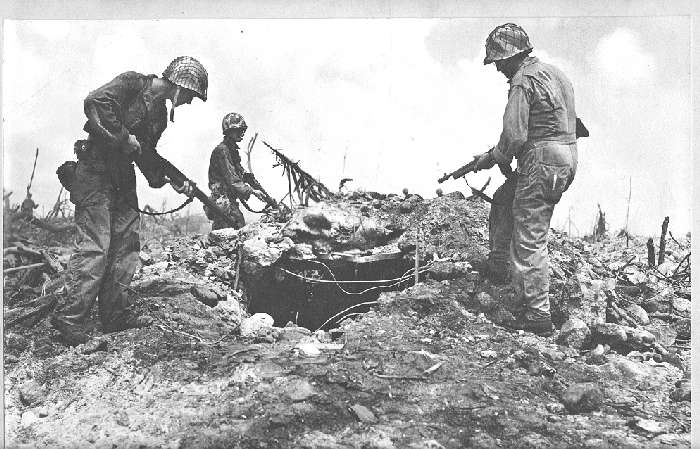
The Strategic Importance of the United States Invasion of the Marshall Islands in 1944
Marshall Islands
Military Strategy
World War II
3 min read
Updated By: History Editorial Network (HEN)
Published:
Updated:
The United States invasion of the Marshall Islands commenced on January 31, 1944, as part of the broader Gilbert and Marshall Islands campaign during World War II. This strategic military operation aimed to capture key islands in the Pacific, thereby establishing a base for further operations against Japanese forces. The invasion was notable for its simultaneous assault on two critical locations: Majuro and Kwajalein. These islands were vital for the U.S. Navy, providing essential staging areas for subsequent offensives in the Pacific theater. The invasion was characterized by intense naval bombardments and aerial support, which significantly weakened Japanese defenses. By autumn 1944, the United States had successfully gained control over the majority of the Marshall Islands, with the exception of Jaluit, Maloelap, Mili, and Wotje. The capture of these islands not only marked a significant turning point in the Pacific War but also facilitated the U.S. strategy of island hopping, allowing for closer proximity to Japan and the eventual planning of the invasion of the Philippines. The successful campaign in the Marshall Islands underscored the effectiveness of U.S. military strategy and the resilience of American forces in the Pacific theater. #mooflife #mof #MomentOfLife #MarshallIslands #WorldWarIi #PacificWar #U.s.MilitaryHistory #IslandHopping

Explore the Life Moments of
 AI Twin