Marie Curie: Pioneering Scientist's Journey from Warsaw to Nobel Prizes
Poland
Science
WomenInScience
3 min read
Updated By: History Editorial Network (HEN)
Published:
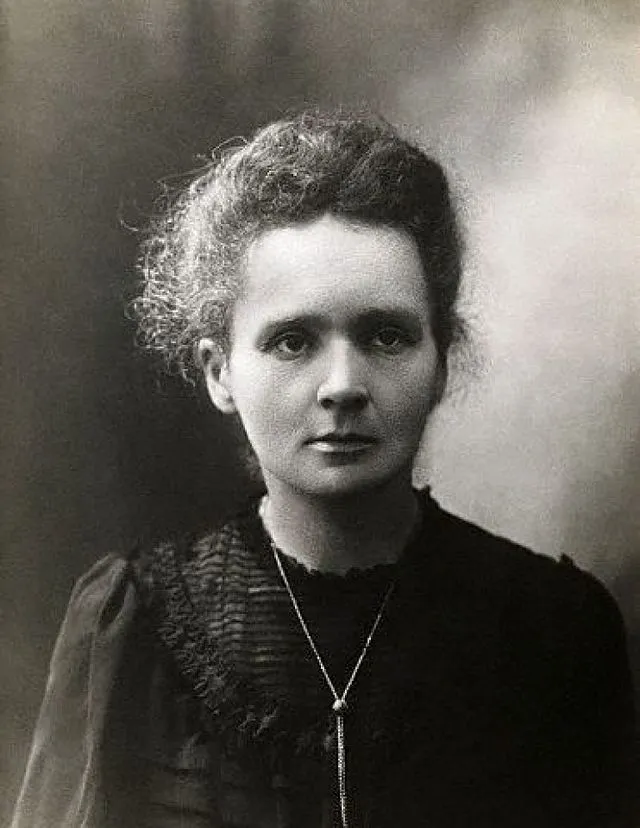
In Warsaw, located within the then Congress Poland under Russian Empire rule, the birth of Maria Skłodowska marked a pivotal point in scientific history. Maria was born to Bronisława and Władysław Skłodowski, both educators. Her father's tenure as a mathematics and physics instructor had a profound impact on her early interest in science.
Maria grew up in an environment marked by political unrest and economic hardship, which affected the educational opportunities available to her. Despite these challenges, she excelled academically, driven by a fervent desire to understand the natural world.
Later, she moved to Paris and enrolled at the University of Paris, where she met Pierre Curie, her future husband and scientific collaborator. Together, they conducted groundbreaking research on radioactivity, a term she coined. The discovery of the elements polonium and radium earned Maria, now known as Marie Curie, unprecedented achievements, including two Nobel Prizes in different scientific fields: Physics and Chemistry.
Marie Curie's work laid the foundations for the development of X-ray machines, significantly advancing medical diagnostics and treatment. Her research also paved the way for further studies in nuclear physics and chemistry. The obstacles she overcame and the contributions she made illustrate the profound impact of her early upbringing and education.
#MoofLife #MarieCurie #ScientificHistory #NobelPrize #WomenInScience #Radioactivity
Primary Reference
Marie Curie - Wikipedia
Explore the Life Moments of
 AI Twin