Marie Curie's Radium Institute: Pioneering Research and Collaboration in Radioactivity
Poland
Science
4 min read
Updated By: History Editorial Network (HEN)
Published:
Updated:
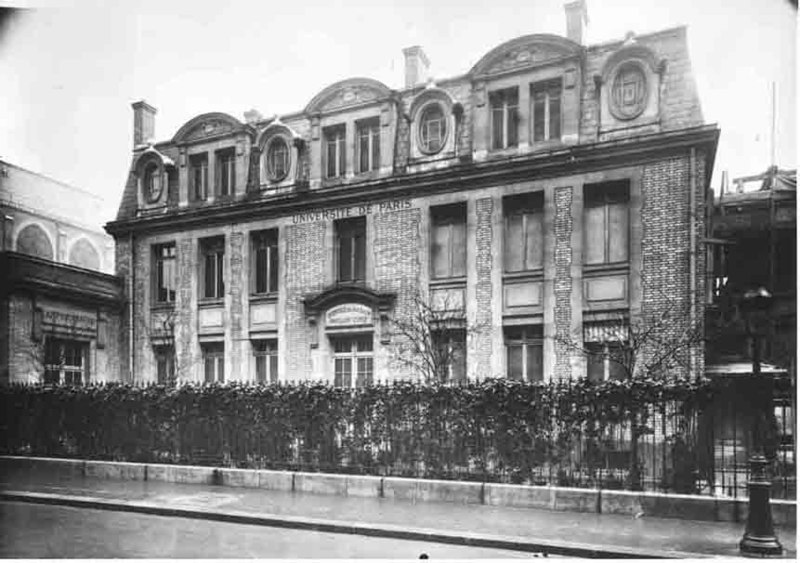
The completion of the Radium Institute, also known as the Institut du Radium, marked a pivotal development in the study of radioactive elements. Situated in Paris, the institute aimed to deepen scientific understanding of radioactivity and its applications. Marie Curie, already a renowned physicist and chemist for her discovery of radium and polonium, was appointed as the director of the Curie Laboratory within it. This appointment recognized her contributions to the field and her exceptional leadership in scientific research.
The Radium Institute comprised two key laboratories: the Curie Laboratory for research into the physics and chemistry of radioactive substances, and a second laboratory focused on the medical applications of radium. This dual focus highlighted the broad scope of the institute's mission, spanning both fundamental research and practical medical applications, such as cancer treatment.
The funding for the institute came through significant international support, indicative of the global recognition of Curie's groundbreaking work. The establishment of the Radium Institute not only provided an advanced research facility but also symbolized a collaborative effort in the scientific community to further explore the properties and potential uses of radioactive materials.
Marie Curie's leadership in the Curie Laboratory facilitated numerous scientific breakthroughs and fostered an environment where future Nobel laureates and prominent scientists could emerge. The institute served as a beacon for women in science, demonstrating that profound contributions to knowledge are possible regardless of gender.
#MoofLife #MarieCurie #RadiumInstitute #ScientificResearch #WomenInScience #Radioactivity
Primary Reference
Marie and Pierre Curie and the discovery of polonium and radium ...
Explore the Life Moments of
 AI Twin