Wilhelm Röntgen's Discovery of X-rays Revolutionizes Science and Medicine.
Poland
Science
Medical Technology
4 min read
Updated By: History Editorial Network (HEN)
Published:
Wilhelm Röntgen’s discovery of X-rays occurred while he was experimenting with cathode rays in his Würzburg laboratory. He noticed that a fluorescent screen started to glow even though it was shielded from the cathode ray tube. This led him to realize that an unknown type of ray, which he named X-ray, could penetrate various materials. His findings demonstrated that X-rays could pass through soft tissues but were obstructed by denser substances like bone, creating shadowy images on photographic plates.
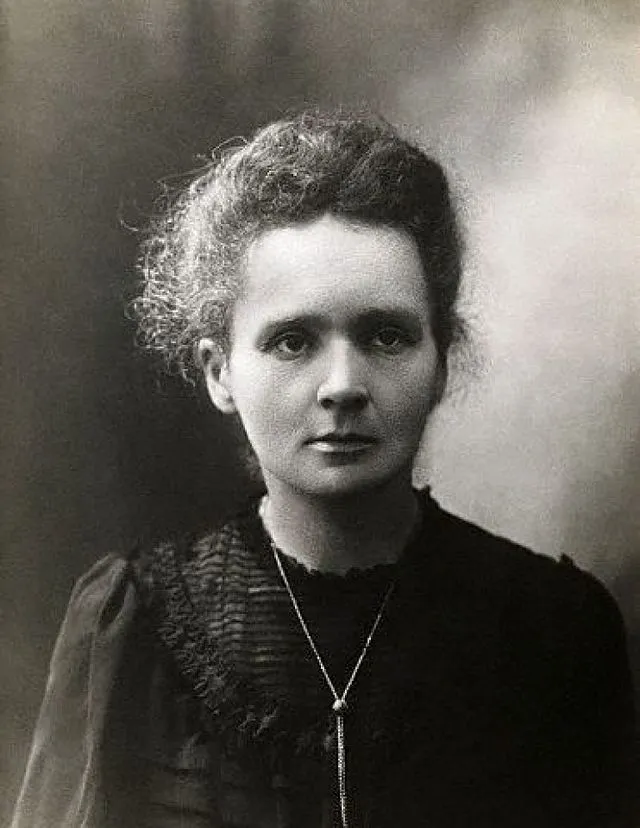
The discovery generated immense interest within the scientific community. Among those fascinated by Röntgen’s findings was Marie Curie, who was then a budding physicist in Paris. Curie recognized the potential of X-rays and turned her focus towards radioactivity, a term she would later coin. This pivot in her research direction led to the discovery of radium and polonium, significantly advancing the understanding of radioactive elements. Curie’s work built on the foundation that Röntgen’s discovery had laid, eventually earning her two Nobel Prizes.
X-rays rapidly transitioned from scientific curiosity to practical tool. They found immediate application in medical diagnostics, allowing for non-invasive internal examinations of the human body. The ability to see inside the body without surgery revolutionized medical practices and significantly improved patient care.
Röntgen’s groundbreaking discovery greatly influenced and enabled subsequent research by scientists like Marie Curie, marking a pivotal moment in both physics and medical science. The impact of his work has had lasting repercussions, continually shaping both fields to this day.
#MoofLife #XRayDiscovery #WilhelmRöntgen #MarieCurie #ScientificBreakthrough #Radioactivity #HistoryofScience #MedicalAdvancements
Primary Reference
20 Physicists Who Revolutionised Our Understanding of The World ...
Explore the Life Moments of
 AI Twin