Marie Curie's Innovations in Medical Radiology with Radium-Infused Needles
Poland
Science
Medical Innovation
3 min read
Updated By: History Editorial Network (HEN)
Published:
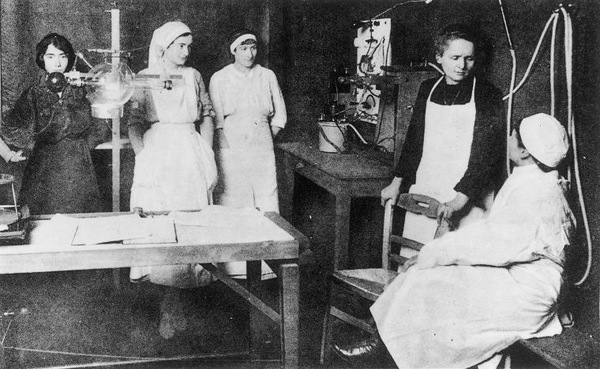
Marie Curie, renowned for her pioneering research in radioactivity, produced hollow needles containing radium gas (radon) to sterilize infected tissue. Utilizing radium extracted from her own supply, Curie intended these needles for use in medical treatments aimed at curbing infections, particularly during wartime when antiseptic methods were often insufficient. Known for her groundbreaking work, Curie's exploration into radium's applications demonstrated its potential to kill bacteria and other pathogens, which was a significant step forward in medical science.
The practical application of radon in such a targeted form marked an innovative step in the field of radiology and infection control. The development of these needles showcased Curie’s commitment to applying scientific discoveries to real-world medical challenges, providing a new tool that doctors could use in treating infected wounds.
Curie's achievement highlighted the intersection of scientific research and healthcare, underscoring the potential for radioactivity to play a role not just in theoretical physics but also in practical medicine. This contribution added another layer to her legacy, complementing her earlier discoveries of the elements polonium and radium.
#MarieCurie #MedicalInnovation #Radon #Radiology #MoofLife
Primary Reference
Marie Curie - Wikipedia
Explore the Life Moments of
 AI Twin