Marie Curie's Academic Defeat: Gender Bias in Science Institutions and Her Resilience.
Poland
Science
Gender Bias
3 min read
Updated By: History Editorial Network (HEN)
Published:
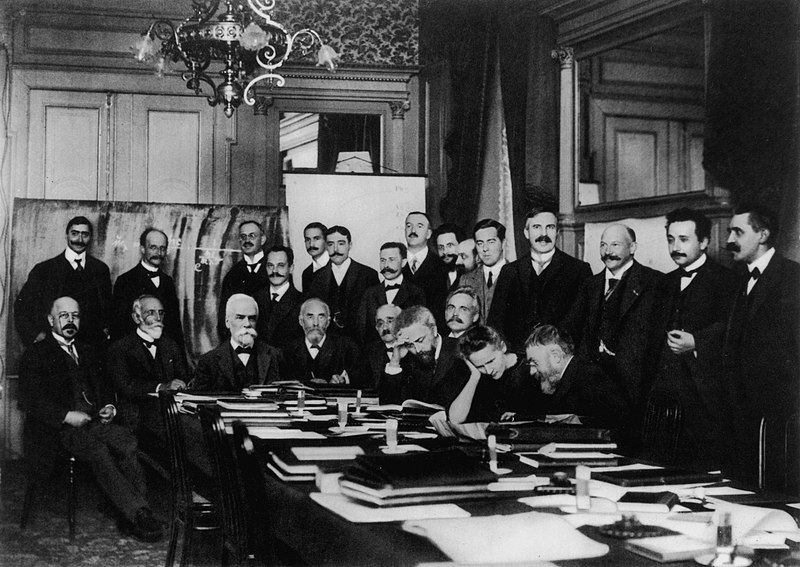
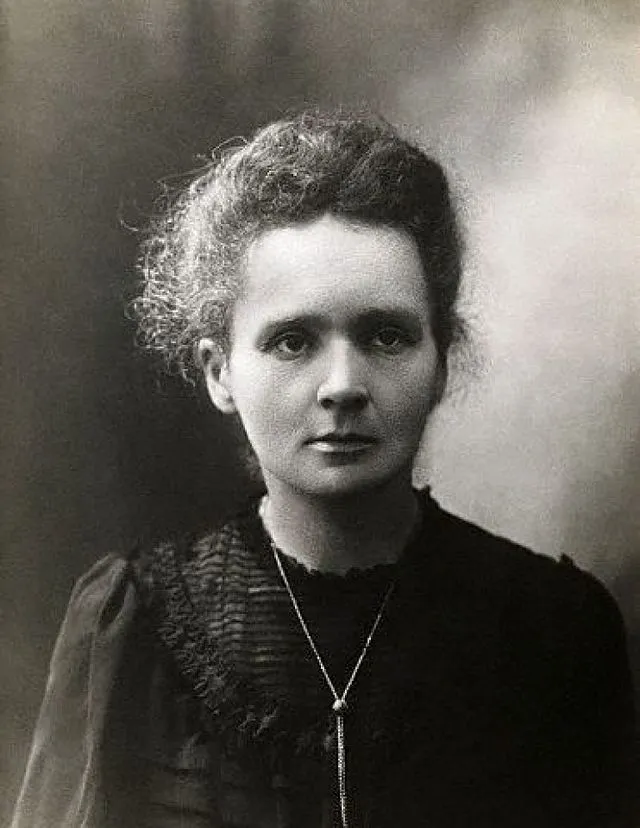
Marie Curie's bid for membership in the French Academy of Sciences resulted in a narrow defeat by one or two votes. In this instance, the Academy elected Édouard Branly instead. Branly, known for his work in wireless telegraphy, secured the position, which highlighted the prevalent gender biases within scientific institutions of that period. Despite Curie's groundbreaking research, which had already earned her two Nobel Prizes in Physics and Chemistry, her candidacy faced opposition partly due to her being a woman and a foreigner.
The impact of this event was significant. It underscored the obstacles women faced in gaining acceptance and recognition within the scientific community, despite their contributions. Curie continued her work undeterred, furthering research in radioactivity, leading to more advancements in the field. Ironically, the vote's outcome also cast a spotlight on the limitations of the French Academy of Sciences in representing merit over prejudice.
Subsequent to this event, Curie remained undeterred and continued making significant scientific advancements. Her resilience contributed to broader discussions about gender equality in academia and the sciences. This moment remains a critical example of the gender biases that have historically influenced scientific achievement recognition.
#MarieCurie #FrenchAcademyofSciences #WomenInScience #GenderBias #ScientificAchievement #MoofLife
Explore the Life Moments of
 AI Twin