Thatcher supports interest rate cut
United Kingdom
Economic
Political
5 min read
Updated By: History Editorial Network (HEN)
Published:
In the late 1980s, the British economy was experiencing significant changes, primarily driven by policies instituted by the Conservative government. Chancellor of the Exchequer Nigel Lawson was central to these modifications. One key strategy involved adjusting the interest rates. The alteration of the base interest rate to 7.5 percent marked the lowest level recorded between 1979 and 1990.
The decision to lower the rate aimed to stimulate economic growth by making borrowing cheaper for businesses and consumers. The reduction was aligned with the broader fiscal policy framework that sought to curb inflation while boosting overall economic activity. This approach was underlined by a concurrent belief in monetarism, which posited that controlling the money supply was essential for economic stability.
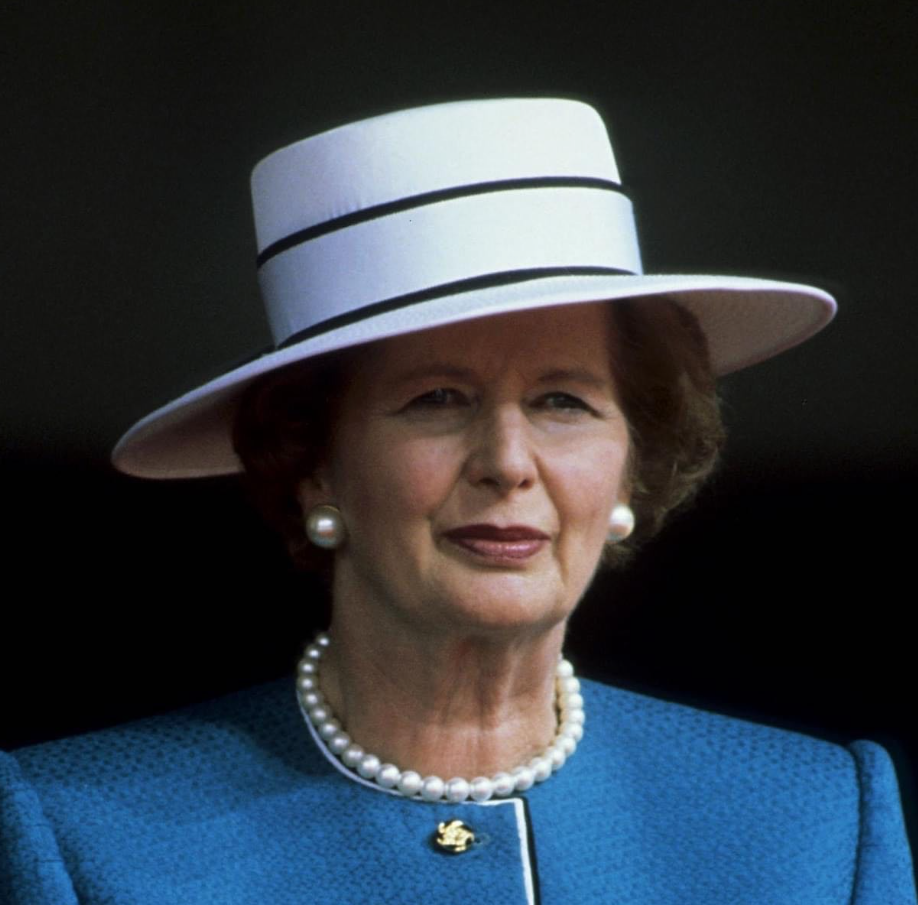
Margaret Thatcher, the Prime Minister at the time, publicly supported Lawson's decision. Her support was not merely symbolic but pointed to a unified front within the government on economic policies. Thatcher, known for her firm economic principles and leadership style, believed that controlling inflation and fostering a market-driven economy were crucial for Britain's long-term economic health.
The impact of the rate cut was multifaceted. On the financial front, it facilitated lower borrowing costs, which, in theory, would lead to increased investment by businesses and higher consumer spending. However, it also carried risks of potentially overheating the economy and escalating inflation if not managed carefully.
Statistically, the British economy exhibited signs of buoyancy following this policy move. Economic growth rates saw improvements, albeit with corresponding concerns about maintaining control over inflationary pressures. Public opinion on these measures varied, with some supporting the government's proactive stance on economic stimulation, while others remained skeptical of potential long-term downsides.
Overall, the interest rate cut to 7.5 percent underlined the Thatcher government's commitment to recalibrating economic levers to stimulate growth, albeit within a challenging and rapidly changing economic landscape.
#BritishEconomy #Monetarism #EconomicPolicy #MargaretThatcher #InterestRates #ChancellorLawson #MoofLife
Primary Reference
Government Policy and the British Film Industry 1979-90 - John Hill
Explore the Life Moments of
 AI Twin