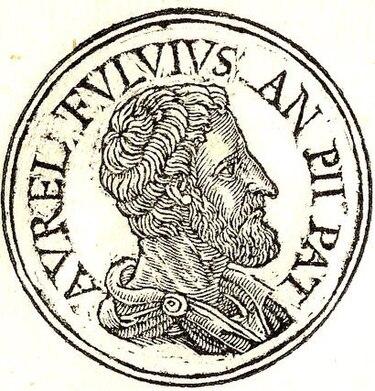
Twins of T. Aurelius Fulvus at Lanuvium
Italy
4 min read
Updated By: History Editorial Network (HEN)
Published:
Updated:
The birth of T. Aurelius Fulvus Antoninus and Lucius Aurelius Commodus at Lanuvium marked a notable event in the history of the Roman Empire. Their mother, Faustina, had experienced a prophetic dream during her pregnancy, which involved giving birth to two serpents, symbolizing the duality of their destinies. The twins were born on the same day as Caligula, which was interpreted as a significant omen. The favorable astrological predictions surrounding their birth contributed to the perception of the twins as auspicious figures for the empire. Following their birth, the event was commemorated through imperial coinage, highlighting the importance of the twins in the eyes of the Roman populace and the ruling class. This celebration not only reflected the joy of the imperial family but also served to reinforce the legitimacy and divine favor of the ruling emperor, Marcus Aurelius, who was their father.
The impact of the twins extended beyond their birth, as they were positioned within the imperial lineage. Lucius Aurelius Commodus would later become emperor, and his reign was marked by both military successes and controversies. The twins' birth and subsequent recognition in Roman society illustrated the significance of lineage and the role of omens in shaping public perception of leadership. The favorable horoscopes drawn by astrologers for the twins further solidified their status as figures of hope and potential for the empire. The legacy of T. Aurelius Fulvus Antoninus and Lucius Aurelius Commodus is intertwined with the broader narrative of the Roman Empire, reflecting the intricate relationship between family, politics, and the interpretation of omens in ancient Rome.
#mooflife
#MomentOfLife
#RomanEmpire
#T.AureliusFulvus
#LuciusAureliusCommodus
#Faustina
#ImperialCoinage
Primary Reference
Titus Aurelius Fulvus (father of Antoninus Pius)
Explore the Life Moments of
 AI Twin