Marcus's Early Reign and Philosophy
Italy
Historical Analysis
Philosophy
Leadership and Governance
3 min read
Updated By: History Editorial Network (HEN)
Published:
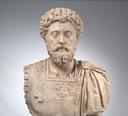
Marcus's early reign was characterized by a focus on philosophy and a desire to cultivate popular support among the Roman populace. He immersed himself in philosophical texts, seeking wisdom from notable figures such as Cato, Cicero, and Sallust. This intellectual engagement was not merely for personal enrichment; it served as a means to alleviate his anxieties and connect with the citizens he governed. The initial phase of his rule was marked by a sense of stability and optimism, often referred to as 'felicitas temporum' or 'happy times.' This period allowed Marcus to prioritize his philosophical pursuits, which he believed were essential for effective leadership and personal well-being.
However, as his reign progressed, Marcus encountered numerous challenges that began to overshadow his earlier tranquility. The pressures of governance, military conflicts, and the complexities of managing the vast Roman Empire introduced significant stressors. These anxieties contrasted sharply with the earlier sense of happiness and ease, indicating a shift in the political landscape. The transition from a period of philosophical reflection to one of urgent decision-making highlighted the difficulties inherent in leadership. Marcus's commitment to philosophy remained a guiding principle, but the realities of ruling an empire demanded a balance between idealism and pragmatism, ultimately shaping his approach to governance and his legacy as a philosopher-king.
#mooflife
#MomentOfLife
#MarcusAurelius
#RomanEmpire
#Philosophy
#Leadership
#HistoricalAnalysis
Explore the Life Moments of
 AI Twin