Marcus Becomes Emperor After Antoninus' Death
Italy
Roman Empire
Leadership
4 min read
Updated By: History Editorial Network (HEN)
Published:
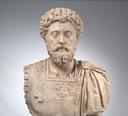
Marcus Aurelius became emperor following the death of Antoninus Pius, marking a pivotal transition in the leadership of the Roman Empire. He ascended to the throne alongside his adoptive brother, Lucius Aurelius Verus, who shared the imperial responsibilities. This dual rule was significant as it represented a continuation of the Nerva-Antonine dynasty, which was known for its relative stability and prosperity. Marcus, who had been groomed for leadership through his education and philosophical studies, was influenced by Stoic philosophy, which emphasized rationality and virtue. His reign was characterized by a commitment to duty and the welfare of the empire, as he sought to uphold the principles of justice and governance established by his predecessor.
The impact of Marcus Aurelius's reign was profound, as it coincided with various challenges, including military conflicts and internal strife. The empire faced invasions from Germanic tribes and the Parthian Empire, necessitating military campaigns that tested the resources and resilience of Rome. Despite these challenges, Marcus Aurelius is often remembered for his philosophical writings, particularly "Meditations," which reflect his thoughts on leadership, ethics, and the human condition. His reign is frequently viewed as a high point in Roman history, where the ideals of Stoicism were applied to governance, influencing future leaders and thinkers. The dual emperorship with Verus also set a precedent for shared power, although it was not without its complications, as differing approaches to governance emerged between the two brothers.
#mooflife
#MomentOfLife
#MarcusAurelius
#RomanEmpire
#AntoninusPius
#Stoicism
#DualEmperorship
Explore the Life Moments of
 AI Twin