Marcus Becomes Sole Ruler of the Empire
Italy
Roman History
Philosophy
Leadership and Governance
4 min read
Updated By: History Editorial Network (HEN)
Published:
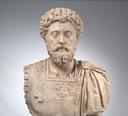
Following the death of Antoninus, Marcus Aurelius assumed control as the sole ruler of the Roman Empire. The Senate quickly recognized his authority by bestowing upon him the title of Augustus and the designation of imperator. Additionally, he was elected as pontifex maximus, which positioned him as the chief priest of the official religious practices of the state. This transition marked a significant shift in leadership, as Marcus was now responsible for the governance of a vast empire that faced various challenges, including military conflicts and economic issues. Despite the formal recognition of his power, Marcus exhibited a degree of reluctance towards his new role, which some historians attribute to a genuine fear of the responsibilities and potential abuses of imperial power, often referred to as 'horror imperii.'
Marcus Aurelius, known for his Stoic philosophy, felt a strong sense of duty to accept the responsibilities of leadership, even though he preferred a life of contemplation and philosophical inquiry. His Stoic training emphasized the importance of duty and virtue, compelling him to embrace the role of emperor despite his personal reservations. This internal conflict highlights the complexities of leadership during a time when the Roman Empire was at a crossroads, facing both external threats and internal strife. Marcus's reign would later be characterized by his philosophical writings, particularly the "Meditations," which reflect his thoughts on duty, governance, and the nature of power, providing insight into the mindset of a ruler who was both a philosopher and a leader.
#mooflife
#MomentOfLife
#MarcusAurelius
#RomanEmpire
#Stoicism
#ImperialPower
#PontifexMaximus
Explore the Life Moments of
 AI Twin